
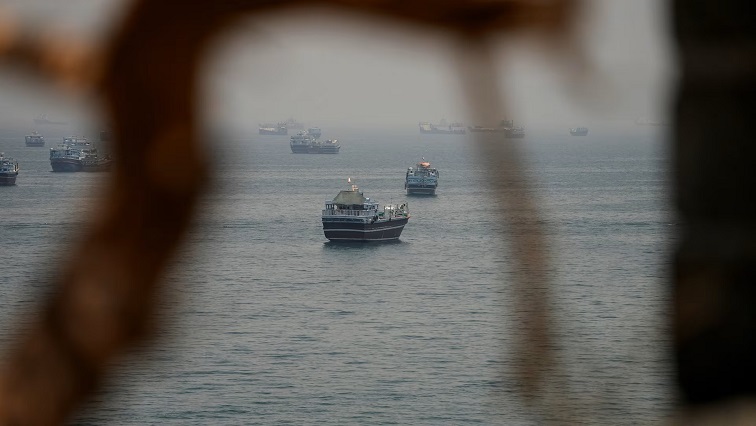
Council members considered mounting tensions around the Strait of Hormuz and Bab al-Mandab, where the US, Iran and Gulf States presented sharply conflicting accounts of responsibility for the crisis.
The Gulf Cooperation Council (GCC) said Member States had faced more than 7 000 Iranian missile and drone attacks since February 28.
GCC Secretary-General Jasem Mohamed Albudaiwi said airports, ports, oil and gas facilities, power stations, desalination plants, homes and other civilian infrastructure had been targeted.
Bahrain Ambassador Jamal Fares Alrowaiei, speaking for the GCC, said about 1 600 vessels had been disrupted in the Strait of Hormuz and more than 23 000 seafarers stranded. “The security of the Arab Gulf is not merely a regional question. It is a cornerstone for international peace and security,” Alrowaiei said.
“The security of civilians cannot constitute a bargaining chip or a tool for extortion.”
Alrowaiei called for full implementation of Security Council Resolution 2817 and stronger international action to protect shipping and supply chains.
The GCC welcomed mediation by Oman, Qatar and Pakistan and said Gulf countries should participate in negotiations concerning regional security.
US Ambassador Jennifer Locetta accused Iran of attacking neighbouring countries and commercial vessels, supporting armed groups and disregarding Council resolutions. “The regime attacks its neighbours, fires on commercial ships, arms terrorist proxies and defies this Council at every turn,” Locetta said.
Iran rejected the allegations and accused Western Council members of reversing the roles of aggressor and victim.
Iran Ambassador Gholamhossein Darzi said the crisis resulted from wars launched by the US and Israel in June 2025 and February 2026.
Darzi alleged that the attacks killed 5 000 Iranians, including 254 children, and targeted civilian infrastructure, officials and nuclear scientists.
Iran rejected Resolution 2817 as politically motivated and said foreign military forces were contributing to regional instability.
Darzi said Iran had not closed the door to diplomacy but called on Washington to end military action, guarantee non-repetition and remove measures imposed against Iran.
Council speakers called for freedom of navigation to be restored, attacks on shipping and civilian infrastructure to end and diplomatic efforts to resolve regional and nuclear disputes to continue.
–UN/ChannelAfrica–
Image: Reuters