


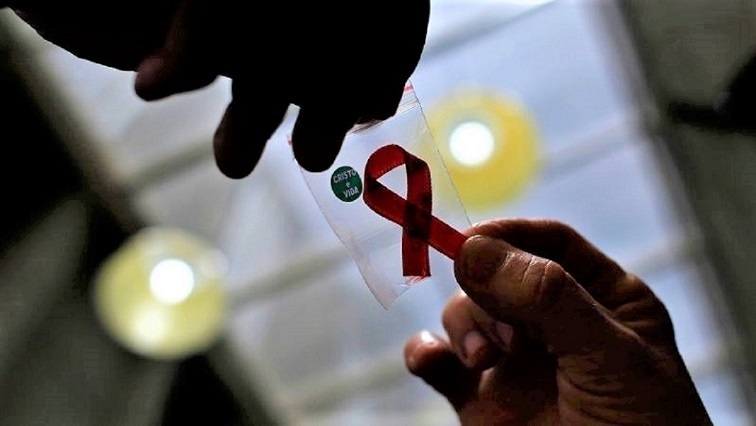
The role of community-led health systems, prevention strategies, and sustained public health investment was highlighted at the 26th International AIDS Conference in Rio de Janeiro, Brazil, where experts are discussing future preparedness for the epidemic.
HIV Vaccines Product Development Team Lead at the International AIDS Vaccine Initiative, Dr Vincent Muturi-Kioi, said the global response to HIV has shown how countries can build systems capable of responding to public health emergencies.
“When we think about Ebola and HIV, these are both public health issues and especially for us as Africans they are disproportionately affecting us,” Muturi-Kioi said.
Muturi-Kioi said the HIV response has provided important lessons on how communities can support the delivery of healthcare services during epidemics. “The HIV response has shown us methods we can use to be successful in combating a pandemic or an epidemic and how our communities can enable delivery of health services,” Muturi-Kioi said.
According to Muturi-Kioi, community engagement, prevention education, testing, treatment access and local trust have been central to the HIV response and can be applied to Ebola preparedness.
Ebola outbreaks continue to pose major risks in several African countries, particularly where health systems are weakened by conflict, displacement and limited access to care.
Muturi-Kioi said lessons from HIV can help health authorities respond faster to new Ebola outbreaks and reduce transmission. “When it comes to Ebola, many of the learnings from HIV can enable us to respond effectively to these new outbreaks that we are seeing much more frequently,” Muturi-Kioi said.
–SABC/ChannelAfrica–


