


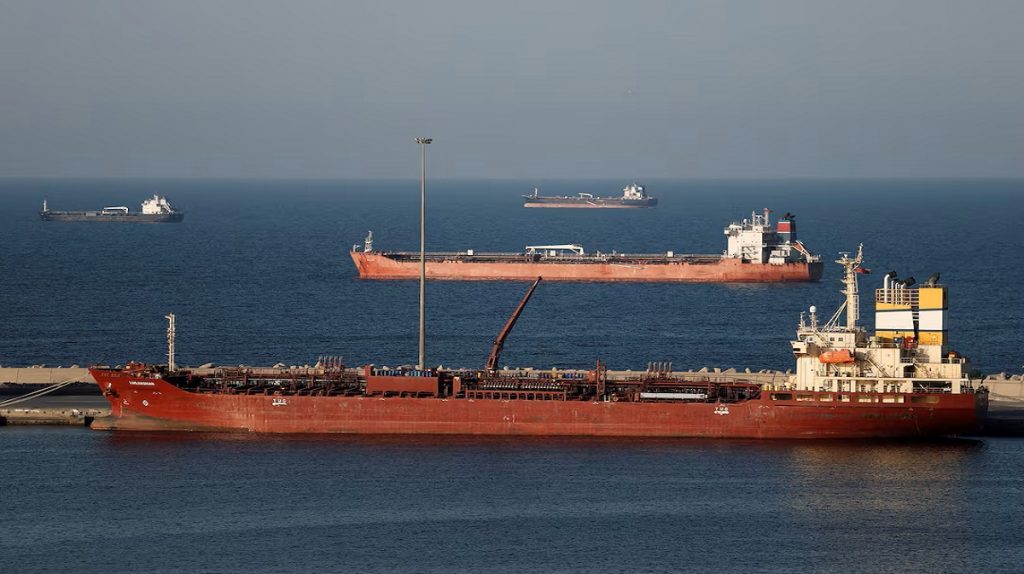
About 20% of the world’s oil and gas supplies pass through the narrow waterway between Iran and Oman, and marine traffic has been largely constrained since conflict escalated between Iran and the United States (US).
The resulting supply uncertainty has exposed many economies to price volatility, inflation pressure and broader supply‑chain stress. United Nations (UN) Secretary‑General António Guterres has warned that the turbulence highlights a global energy system still heavily tied to fossil fuels, where production is concentrated in a few regions, and each conflict can send shockwaves through the global economy, with the most vulnerable communities hit first.
Renewable energy sources such as solar, wind, and hydropower are increasingly being framed as strategic tools for energy sovereignty, not only climate responses. Renewables avoid the geopolitical chokepoints and embargo risks associated with fossil fuels and offer stable, domestic generation as technology costs fall and capacity scales.
UN data highlights a small group of frontrunner countries where renewable power already dominates. Eswatini is listed at 100% renewable electricity, followed by Paraguay (99.76%), Bhutan (99.62%), Lesotho (99.43%), Norway (98.81%), Nepal (98.75%) and Ethiopia (98.25%), compared with a global average of 43.25%.
Country examples show different pathways. Norway relies on hydropower for roughly 90–95% of domestic electricity and is expanding wind while progressing with electrification. Paraguay generates almost all grid electricity from hydropower, including through shared dams such as Itaipú, enabling low‑cost power and export revenues. Nepal has expanded hydropower and decentralised renewables to cut reliance on imported fuels. Ethiopia is scaling hydropower and solar to expand access and reduce exposure to imported energy.
The transition is uneven, with financing and infrastructure gaps still limiting progress. However, the Strait of Hormuz crisis is reinforcing a central message: renewables reduce exposure to global disruption and strengthen national resilience.
–UN/ChannelAfrica–


