


With Brent crude continuing to trade above $100 per barrel, households and small businesses across several regions are increasingly reverting to oil and coal for energy, raising fears of long‑term environmental damage. Governments facing shrinking fiscal space have begun rationing fuel, cutting transport services and shifting meetings and operations online to curb consumption.
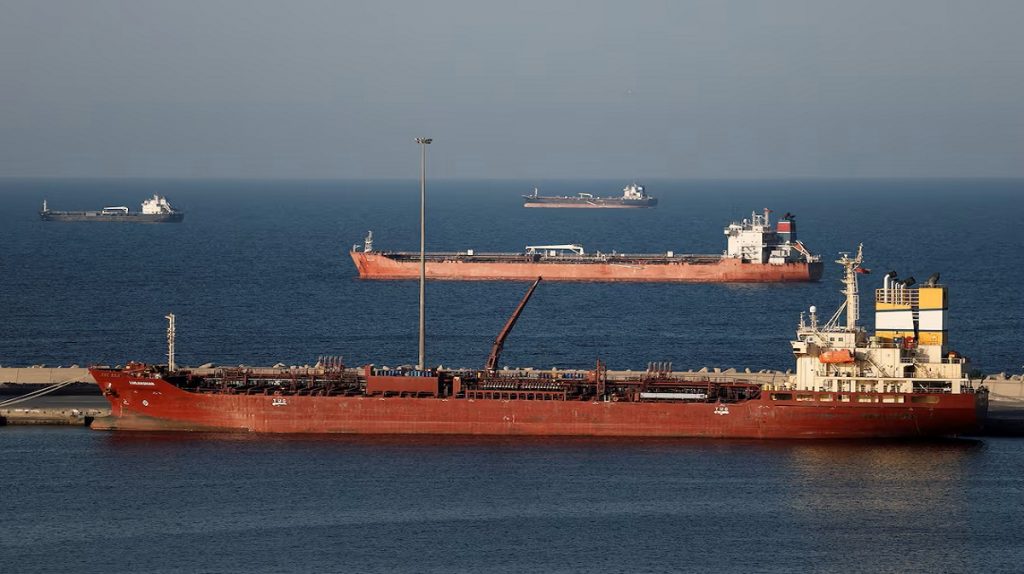
More than four weeks after Israeli and United States airstrikes on Iran triggered a wider regional conflict, tanker traffic through the strategic Persian Gulf waterway dropped sharply, disrupting global oil shipments. The effects have since cascaded through natural gas, coal, transport, food and fertiliser supply chains.
According to the United Nations Conference on Trade and Development (UNCTAD), most of the world’s Least Developed Countries are net energy importers and highly exposed to price shocks. “Only a small group of LDCs are net energy exporters,” said UNCTAD economist Junior Davis, citing South Sudan, Angola, Chad, Mozambique, Lao PDR, Myanmar and Yemen.
“The majority are net importers,” he said, listing countries including Niger, Zambia, Rwanda, Ethiopia, Tanzania, Madagascar, Sudan, Uganda, Nepal, Bangladesh, Cambodia and Senegal.
Even countries that export oil are not immune. Davis explained that developing exporters such as Angola often see limited gains because they lack sufficient domestic refining capacity and must re‑import refined fuel at higher prices. Neighbouring Zambia faces even greater hardship as it relies on refined fuel imported largely from the Middle East.
The impact is spreading rapidly to food security. UN Food and Agriculture Organisation data shows that 17 of the world’s poorest countries import more than 30% of their cereal needs. The same number spends over 50% of export earnings on food imports alone.
“The implication is that rising energy prices will feed quickly into food prices and significantly increase the risk of hunger,” Davis warned.
Finding fast solutions will be difficult. Many low‑income countries are already burdened by heavy debt repayments, limiting their ability to subsidise fuel or food. “It is highly likely households will pay more and consume less,” Davis said. “It is not going to be pretty.”
—UN/ChannelAfrica–


