


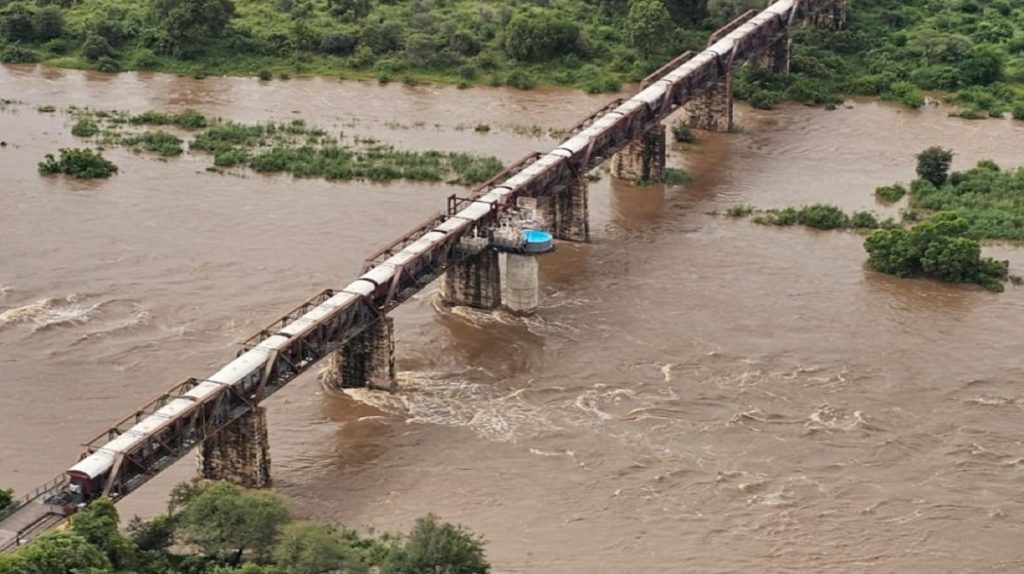
Parts of the continent are experiencing devastating floods while others face prolonged and deepening droughts, according to new research and weather experts.
Southern Africa has recently seen some regions receive a year’s worth of rainfall in just ten days, triggering severe flooding in South Africa (SA), Mozambique and Zimbabwe. At the same time, the Kenya-Somalia border region is grappling with an intense drought, with little to no rainfall recorded since May last year, pushing communities into a growing humanitarian crisis.
IN PICTURES | The South African National Defence Force (SANDF) remains actively engaged in humanitarian and rescue operations in Mozambique after devastating #floods struck several regions in the southern and central parts of the country.
Pictures by SANDF… pic.twitter.com/0v4s0eAP6j— SABC News (@SABCNews) January 23, 2026
Speaking to Channel Africa on Thursday, Lehlohonolo Thobela from the SA Weather Service explained that the extremes are being driven by a combination of climate change, large-scale climate patterns and geographical factors.
Kenya, for example, depends heavily on two rainy seasons, the long rains and the short rains. In recent years, these have become increasingly unpredictable, in some cases failing almost completely. Rising global temperatures are accelerating evaporation, drying out soil and water resources more rapidly and intensifying drought conditions in already arid and semi-arid areas.
Thobela noted that La Niña remains a key driver of contrasting weather outcomes across the continent. While La Niña tends to push rainfall away from East Africa, increasing the likelihood of drought, it has the opposite effect in Southern Africa, where it often brings above-normal rainfall, particularly to eastern regions.
In SA, recent flooding has been linked to several weather systems, including cut-off low pressure systems and tropical lows, which draw large amounts of moisture into the eastern parts of the country. These systems have contributed to widespread flooding in provinces such as KwaZulu-Natal, Mpumalanga and Limpopo.’
Beyond rainfall, severe thunderstorms are also becoming more frequent and damaging. Larger hailstones, intense downpours and rapid-onset flooding are increasingly common, with impacts now spreading over wider areas rather than remaining localised.
Weather models, while improving, still face limitations in forecasting such extremes. Challenges include gaps in observations and differences in how models interpret developing systems. Despite this, forecasters have been able to issue early impact warnings days in advance in some recent cases.
Looking ahead, eastern and summer rainfall regions of Southern Africa remain particularly vulnerable, especially with the potential development of tropical cyclones in the Mozambique Channel. Meanwhile, parts of East Africa may continue to face worsening drought conditions as long as La Niña influences persist.
–ChannelAfrica–


