


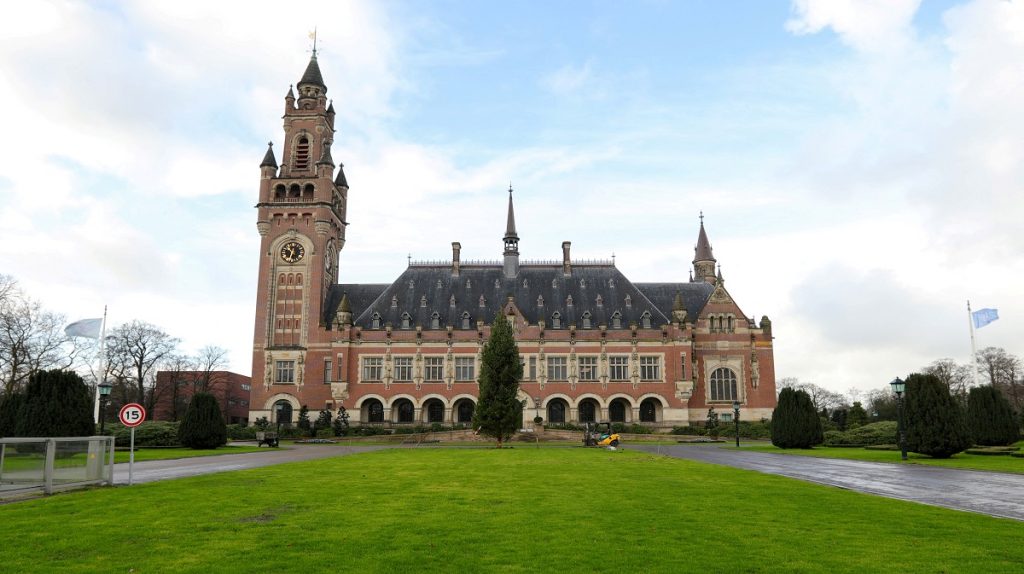
Kushayb, a senior Janjaweed militia leader, was found guilty of mass killings, rapes and attacks on civilians during the 2003–2004 campaign that left hundreds of thousands dead and displaced millions. His conviction marks a milestone in a case that the ICC once placed in “hibernation” due to years of non-cooperation from Sudan’s former government.
Speaking to Channel Africa on Tuesday, Professor William Schabas, one of the world’s leading experts on international criminal law, said the case is significant not only because of the crimes but because of the long path that led to the trial.
“There’d been an outstanding warrant for him since 2007 or 2008,” Schabas explained. “The Court essentially got lucky in 2019 when he surrendered himself in the Central African Republic. Without that unexpected development, we might still be waiting.”
Schabas noted that Kushayb’s conviction is unusual in that it combines command responsibility with direct participation in atrocities. “He wasn’t the top leader of the Janjaweed, but he was certainly one of the leaders, and he was active on the ground. That combination is rare at the ICC,” he said.
As prosecutors seek a life sentence and the defence argues for just seven years, Schabas expects judges to grapple with difficult questions, including the fact that Kushayb is now 76.
“A sentence longer than seven years effectively becomes a life sentence,” he said. “Courts everywhere struggle with whether to jail very elderly offenders for the rest of their lives.”
He also acknowledged the enormous challenges presented by the two-decade delay: lost evidence, missing witnesses and fading memories. “The obstacles are enormous,” he said, “but improved cooperation from Sudan in recent years made the trial possible.”
While some critics argue that justice delivered after 20 years is “justice denied”, Schabas said the conviction still carries powerful symbolism. “What it shows is that eventually we will find you,” he said. “Germany is still prosecuting people for crimes committed during the Second World War. The message is that accountability never expires.”
The case also comes at a turbulent time for the ICC, which has issued high-profile arrest warrants, including for Russia’s Vladimir Putin, but faces political pressure, internal disciplinary challenges, and sanctions from the United States targeting its judges.
“In that context, this conviction is a bright light,” Schabas concluded. “It shows that despite the difficulties, the Court can still deliver justice, even if delayed, for some of the world’s gravest crimes.”
–ChannelAfrica–


