


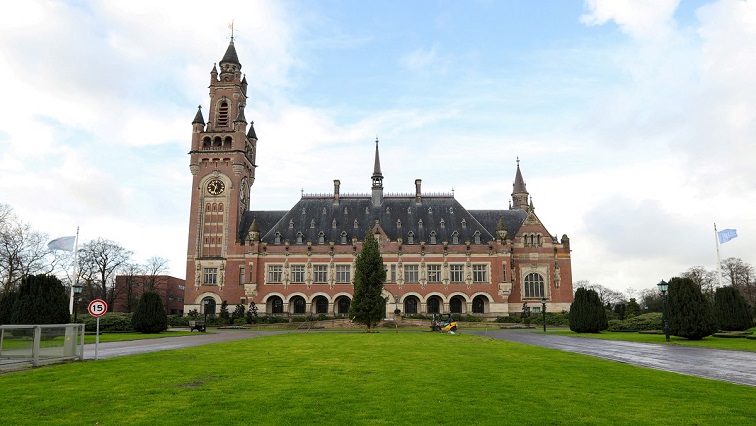
The decision, adopted by 10 votes to four, found that the right to strike forms part of the protections under the Freedom of Association and Protection of the Right to Organise Convention of 1948. The case was referred to the court by the governing body of the ILO in November 2023 following years of disagreement among governments, employers and workers over the interpretation of the convention.
At the centre of the dispute was whether the convention’s provisions on the right to organise also include the right for workers and organisations to take strike action. Employers’ groups argued that the treaty does not explicitly mention strikes and does not support such a right. Workers’ representatives maintained that the right to strike is inherent in freedom of association and has been recognised through established practice.
The court acknowledged that the convention does not explicitly refer to strikes. However, the judges concluded that the absence of specific wording does not exclude the right, noting that strike action can fall within the broader definition of activities undertaken by workers’ organisations to defend their interests.
The ICJ said the opinion does not define the precise scope, conditions or limits of the right to strike. Further clarification is expected to be considered by the ILO during upcoming deliberations.
Four judges issued dissenting opinions. Peter Tomka said the ruling extends the interpretation of the convention beyond the agreement of member states, arguing that the text focuses on organisational rights rather than specific actions such as strikes. Xue Hanqin said the decision reflects a broader human rights perspective rather than a strict interpretation of the treaty.
The advisory opinion is not legally binding but carries legal and political significance in shaping international labour standards and national legislation.
–UN/ChannelAfrica–


