
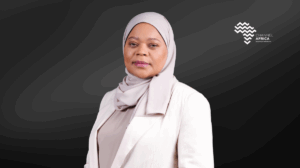

An IMF staff mission led by Mercedes Vera Martin visited Senegal in June to assess economic conditions and engage authorities on policy priorities. The team reported constructive discussions and welcomed ongoing reforms aimed at strengthening governance and transparency, particularly following past fiscal misreporting.
The IMF noted that Senegal recorded robust economic growth of 6.7% in 2025, driven largely by expansion in the hydrocarbon sector. Improved export performance also helped narrow the current account deficit, while fiscal consolidation efforts reduced the budget deficit from 13.4% of gross domestic product in 2024 to 6.4% in 2025.
Despite these gains, the Fund warned that vulnerabilities remain elevated. Higher global oil prices, linked to the conflict in the Middle East, are increasing pressure on public finances, especially given the cost of untargeted fuel subsidies. Rising debt levels and tighter global financing conditions are also adding strain to the country’s fiscal position.
The IMF said these factors could complicate Senegal’s ability to sustain growth and manage external imbalances. Discussions during the mission focused on how the government can maintain stability while advancing reforms. Key areas included strengthening debt management, improving public financial governance and designing policies to support inclusive growth.
The Fund also encouraged continued efforts to enhance social protection systems, particularly to cushion vulnerable groups against rising living costs.
Senegalese authorities reiterated their interest in securing a new IMF-supported programme, which could provide financial backing and policy support as the country navigates ongoing challenges.
The IMF emphasised that further reforms will be critical to consolidating recent progress and building resilience against external shocks. While Senegal’s economic fundamentals remain relatively strong, the Fund stressed that sustaining momentum will depend on disciplined fiscal policy, improved governance and effective management of new resource revenues.
–IMF/ChannelAfrica–





