

The research, based on Mexico’s experience, examined a 145% real increase in minimum wages between 2016 and 2025 and found only modest gains for low-income workers.
The study shows that wages at the lower end of the formal sector rose slightly, but overall employment remained largely unchanged and there was limited movement of workers into formal jobs. The study also found weak enforcement, with many workers in the formal sector still earning below the legal minimum wage.
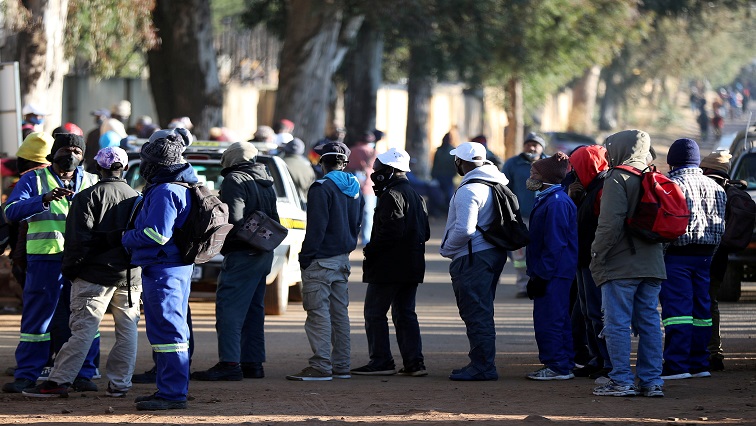
A key challenge identified is the size of the informal economy, which limits the effectiveness of wage policies. The IMF noted that minimum wage laws apply primarily to formal jobs, leaving many low-income workers excluded from direct benefits.
The study found that firms often respond to higher wage costs by shifting activity into the informal sector, reducing compliance and weakening productivity. This dynamic creates what the IMF describes as an “escape route”, undermining the intended impact of wage increases.
The research warns that further increases in minimum wages could worsen these effects. Simulations suggest that a 20% additional wage increase could significantly expand informality while reducing overall economic welfare by about 1.6%.
The study highlights that low-skilled workers, who are the primary target of such policies, may be disproportionately affected. Many remain in informal employment, meaning they do not benefit directly from higher wages, while also facing indirect impacts such as reduced government spending due to declining tax revenues.
The IMF said the findings offer important lessons for developing economies, including those in Africa, where informal employment is widespread. The study emphasised that minimum wage policies alone are insufficient to address inequality without broader structural reforms.
Experts note that improving enforcement, expanding formal employment and strengthening tax systems are critical to ensuring wage policies deliver meaningful benefits. The IMF said a balanced approach is needed to protect workers while maintaining economic efficiency and stability.
The findings suggest that while minimum wages can play a role in social policy, their success depends heavily on labour market structure and institutional capacity.
–IMF/ChannelAfrica–





