

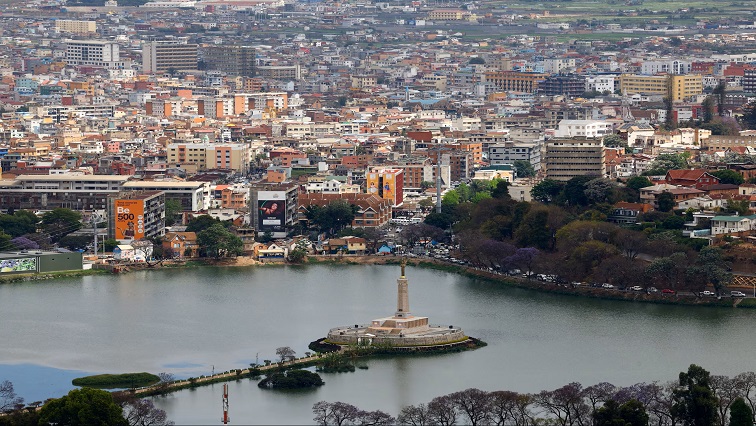
The recommendation follows an IMF technical mission to Antananarivo in March, which focused on enhancing the country’s public finance statistics as a foundation for effective economic management.
The IMF said reliable and comprehensive fiscal data is essential for monitoring government performance and supporting informed decision-making.
While Madagascar has made progress, including adopting a new legal framework for public finance statistics in December 2025, gaps remain in data coverage and quality.
The IMF noted that key challenges include incomplete data from institutions outside the central government, such as local authorities and state-owned enterprises.
In many cases, information is either missing or submitted in formats that are difficult to process, slowing the production of accurate and timely statistics.
The IMF also raised concerns about how public institutions are classified, noting that current methods rely heavily on legal definitions rather than economic reality.
The Fund said a more detailed, case-by-case approach is needed to align classifications with international standards and provide a clearer picture of government finances.
To address these issues, the IMF proposed a series of reforms, including expanding data collection, improving coordination between institutions and enhancing fiscal reporting coverage.
A key recommendation is the establishment of a national committee on public finance statistics, which would bring together government departments, the central bank and the national statistics agency to improve coordination and data sharing.
The IMF said strengthening fiscal transparency is critical for Madagascar as it seeks to attract investment, manage public debt and build economic resilience.
The Fund warned that delays in implementing reforms could limit the government’s ability to assess fiscal risks and respond effectively to economic challenges.
However, with continued support and reform momentum, Madagascar is expected to build stronger statistical systems that support long-term growth and improved economic governance.
–IMF/ChannelAfrica–





