

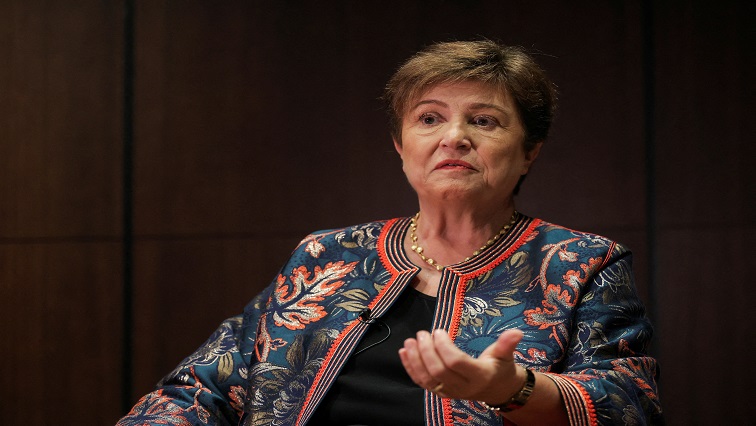
IMF Managing Director Kristalina Georgieva raised the concerns after the Group of Twenty (G20) Finance Ministers and Central Bank Governors Meeting in Asheville, United States, on September 1, 2026.
Georgieva said high refinancing needs and debt-servicing costs were limiting spending on infrastructure, healthcare and education, particularly in low-income countries.
The pressures could weaken economic growth and make public debt less sustainable. Cuts to official development assistance and reduced financing from creditors outside the Paris Club have compounded the challenges.
Global public debt stands at almost 100% of gross domestic product and exceeds levels recorded after the Second World War. Georgieva warned that debt often rises sharply during economic shocks but rarely declines afterwards.
Global growth for 2026 has strengthened to about 3% since April. The global economy absorbed the energy supply shock better than expected through oil and gas reserves, alternative energy sources and measures to manage demand.
Artificial intelligence investment, including spending on power generation, has supported growth in the United States and economies connected to the artificial intelligence value chain.
However, Georgieva said risks remained high. The Strait of Hormuz remained largely closed, energy reserves required replenishment, and inflation reduction had stalled in several countries. “The policy priorities are clear. Central banks must focus on their price stability mandate. Fiscal authorities must hammer out credible medium-term consolidation plans,” Georgieva said.
The IMF called for faster debt restructuring where public debt had become unsustainable, including further improvements under the G20 Common Framework.
The IMF and World Bank Three-Pillar Approach should also help countries with sustainable debt implement growth-supporting reforms, mobilise domestic revenue and attract private investment at lower cost.
Georgieva said stronger debt transparency, improved debt-management capacity and better relations between borrowers and investors were essential for preventing unsustainable borrowing.
Global economic imbalances also widened by 0.7% of global gross domestic product in 2025, marking the largest increase in a decade.
Georgieva called for structural reforms in surplus economies to increase domestic consumption and investment, while deficit economies should consolidate public finances and rebuild fiscal buffers.
The IMF said international cooperation remained critical for managing debt, limiting cross-border economic effects and supporting balanced global growth.
–IMF/ChannelAfrica–





