

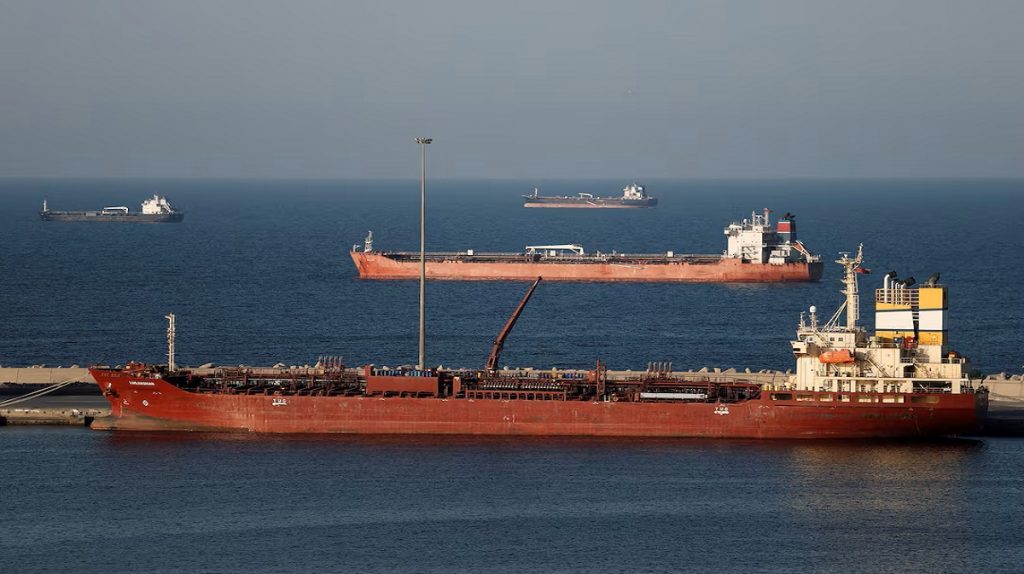
IMO Secretary‑General Arsenio Dominguez said up to 20 000 seafarers have been stranded on about 2 000 vessels in the Persian Gulf since late February, with crews unable to transit the narrow waterway safely. The disruption has heightened concerns about the fragility of freedom of navigation in conflict zones and the risks faced by maritime workers.
Ahead of a Security Council meeting on maritime security, Dominguez described maritime security as the protection of ships, ports, seafarers and maritime infrastructure from threats such as piracy, terrorism and cyberattacks. Maritime security also covers a wider range of illicit activity affecting coastal States, including arms and drug trafficking, human trafficking, wildlife crime, crude oil theft and illegal dumping of toxic waste.
Dominguez said the Hormuz crisis shows how exposed shipping becomes when conflict escalates. Commercial vessels have been targeted, detained or attacked, despite their civilian status and lack of defensive capability. Dominguez said merchant vessels are not combat platforms and civilian crews are not combatants.
Dominguez emphasised that realistic protections begin with information sharing, warning that misinformation can undermine risk‑based voyage planning. Shipping operators must conduct rigorous risk assessments before transiting conflict areas. Dominguez said diplomacy and de‑escalation remain essential, while naval escorts offer only limited and unsustainable protection.
The IMO Chief also warned that maritime threats are evolving rapidly. Cyberattacks on navigation systems, cargo operations and port infrastructure are growing concerns, alongside sabotage of undersea cables and pipelines, drone attacks on vessels and vulnerabilities linked to autonomous ships. Criminal networks operating across supply chains are becoming more sophisticated, creating new risks for global trade.
Dominguez said maritime security remains central to global development because disruptions to shipping quickly translate into broken supply chains, delayed deliveries and wider economic instability.
–UN/ChannelAfrica–





