
More than 95% of coastal and island countries include ocean-related measures in national climate plans, according to research presented at the Conference in Antalya, Türkiye.
However, about 60% of those measures depend on additional financing or technical assistance. “We’re not asking for a new mandate. We’re asking for acceleration,” Ocean and Climate Platform Head of International Policy Marine Lecerf said.
Pacific Youth Climate Envoy Brianna Fruean said communities were already financing adaptation measures without sufficient international support.
Residents of Naidiri village in Fiji had funded a marine protected area to restore coral reefs and fish stocks. “They shouldn’t be taking money out of their own pockets to pay for these adaptation measures,” Fruean said.
Scientists are also using environmental DNA to identify marine species from genetic material left in seawater.
The United Nations Educational, Scientific and Cultural Organisation’s (UNESCO) environmental DNA Expeditions programme is collecting samples at 25 marine locations worldwide, with local communities and schoolchildren participating every three months.
The data could help governments identify ecosystems requiring protection as warming waters force marine species into new habitats.
“We’ve only mapped about 28% of the seafloor, and there are species out there we haven’t yet discovered,” UNESCO Intergovernmental Oceanographic Commission Head of Ocean Observations Joanna Post said.
Post called for sustained investment in ocean monitoring instead of continued reliance on short-term research projects.
COP31 host Türkiye also launched a Marine Litter Action Platform connecting pollution-prevention projects with expertise and financing.
The initiative includes measures addressing abandoned fishing nets that trap turtles, seabirds and other marine wildlife.
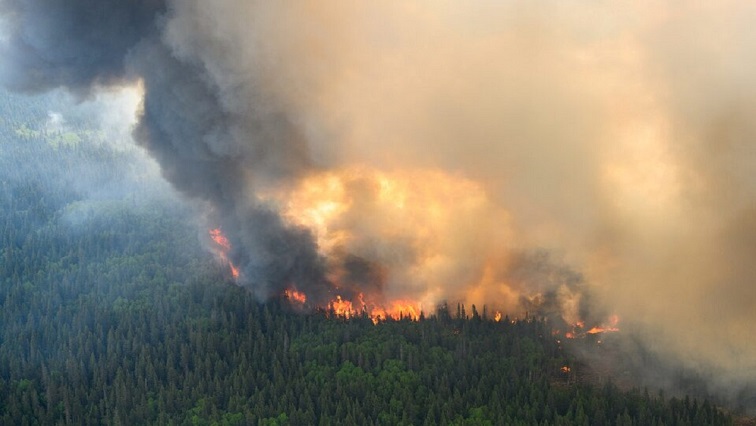
Twenty-three countries endorsed the Antalya Action Plan on Integrated Fire Management, which shifts emphasis from responding to wildfires towards preventing them.
The plan combines scientific methods with Indigenous practices, including carefully managed burning to reduce combustible material and maintain healthier landscapes. “Learning from Indigenous Peoples’ traditional practices and uses of fire can help teach us how to live with good fire,” Food and Agriculture Organisation Forestry Expert Amy Duchelle said.
–UN/ChannelAfrica–
Image: Reuters





