


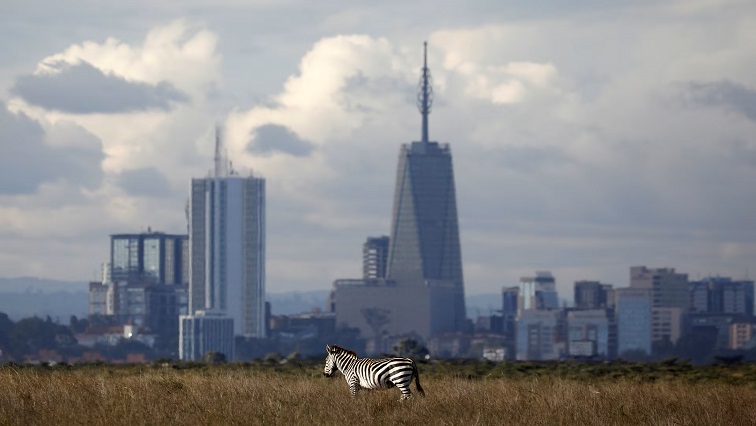
The concerns centre on plans to develop around 100 acres of upland forest within the park, reportedly to support infrastructure linked to a nearby conference facility project.
Advocacy Manager at the Green Belt Movement, Job Mwangi, said the proposal risks further shrinking a protected ecosystem that has already seen significant reductions in size over the past decade. “For the last 10 years, Nairobi National Park has actually lost over 4% of its actual size,” Mwangi said.
Mwangi said the park is home to over 500 species, including endangered wildlife, making any further encroachment particularly concerning. “We are talking about one of the only parks with over 500 species of animals, including rare types of lions,” Mwangi said.
Mwangi explained that the current proposal is linked to a major development project near the park, which lacks sufficient infrastructure capacity. “The government is constructing a major facility… but since it does not have enough parking space, it is now looking to use land from the park,” Mwangi said.
Environmental groups argue that the move reflects a broader pattern of development encroaching into protected areas.
Mwangi said the process has also raised constitutional concerns, particularly around public participation. “People are supposed to be involved continuously in public participation, but we have not been informed,” Mwangi said.
He added that requests for information from authorities have gone unanswered, prompting protests from civil society groups.
Mwangi said demonstrations against the proposed development were met with a security response, highlighting tensions around the issue.
The Green Belt Movement and other organisations are calling for an immediate suspension of the project until proper consultation is conducted and environmental safeguards are guaranteed.
Mwangi said the debate reflects a wider challenge across Africa, where governments prioritise infrastructure over conservation. “The government has always believed development is building concrete, but actual development is conservation,” Mwangi said.
Mwangi warned that continued loss of green spaces could have long-term consequences for ecosystems and future generations. “These public spaces are being held in trust for the people and future generations,” Mwangi said.
Mwangi added that unchecked development risks depleting finite natural resources. “If we allow them to be lost, we are dealing with a very limited resource,” Mwangi said.
–ChannelAfrica–


