


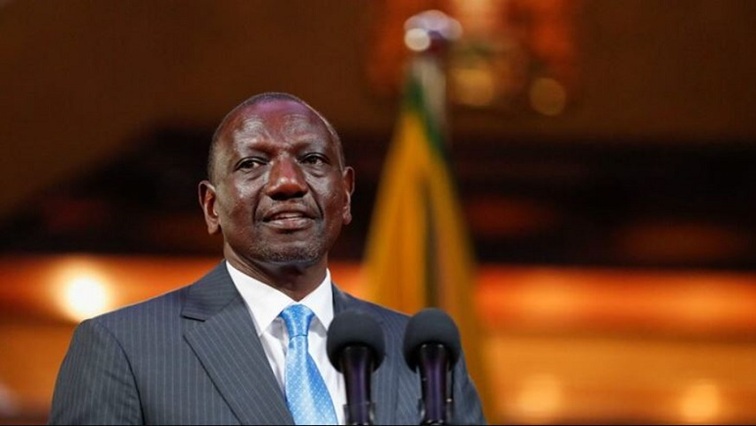
The ruling against President William Ruto’s cabinet is a massive reminder that Kenya’s equality clauses aren’t just polite suggestions on paper, they carry real, binding consequences for those at the very top of government. According to Advocate Jared Gekombe of the Law Society of Kenya, the landmark decision significantly strengthens the country’s legal culture by proving that the courts are fully prepared to police political actors who fail to implement constitutional commitments.
The core issue traces back to late 2024, when Ruto overhauled his executive team following widespread national protests, inadvertently creating an administration that completely flouted the historic 2010 constitution.
Under the country’s strict two-thirds gender rule, no single gender can hold more than two-thirds of the seats in any appointed public body. Ruto’s current 25-member lineup is overwhelmingly dominated by 18 men to just seven women, meaning female representation sits at a measly 28%. To make the cabinet legal, the Ruto needs a minimum of nine women, leaving him short by at least two female Ministers.
To avoid plunging the country into an immediate governance crisis, the High Court took a remarkably pragmatic approach by refusing to dissolve the current cabinet or invalidate any of its past decisions. Instead, judges placed the burden squarely on the head of state, handing him a strict 120-day countdown to fix the imbalance by either expanding his team with qualified female nominees, replacing sitting male Ministers, or reshuffling his portfolios.
If Ruto fails to meet the deadline, he risks being held in contempt of court, a serious legal violation that can trigger steep financial penalties or even imprisonment, signal-boosting the growing power of African judiciaries to enforce rigorous governance standards.
–ChannelAfrica–


