

The Spotlight on Basic Education Completion and Foundational Learning in Africa report, released in 2025, finds that only 10.8% of pupils reach minimum proficiency in reading and mathematics by the end of primary education once learning outcomes are combined with school completion rates.
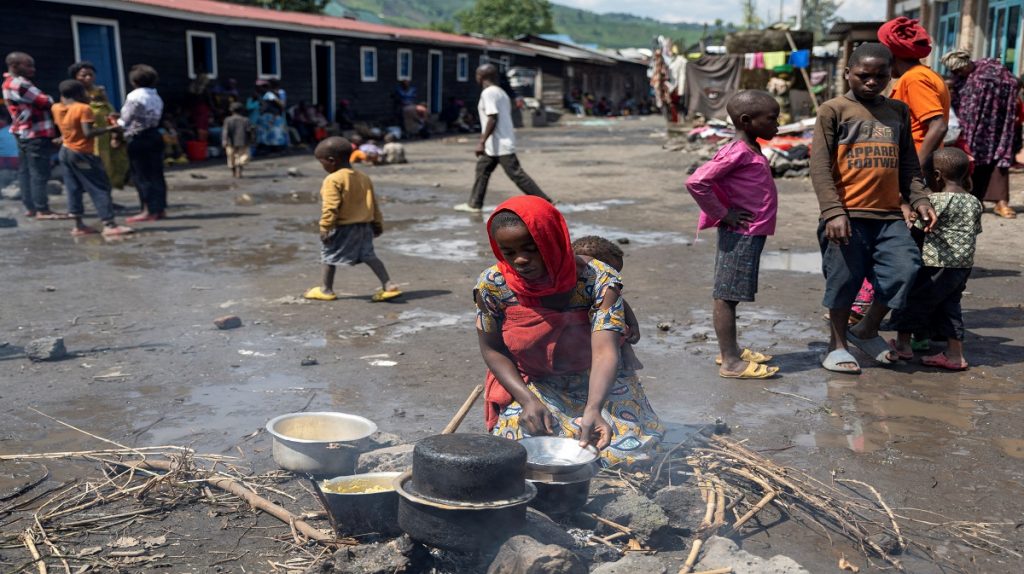
While access to schooling has improved since 2000, progress has slowed sharply over the past decade. In 2023, 19.2% of primary‑age children, about 43.8 million, were still out of school. The report cautions that the true figure may be higher in conflict‑affected countries where data collection is incomplete.
Primary school completion has continued to rise, reaching 71.5% in 2024, or 80.3% when children who complete late are included. However, gains are weakening, particularly among the poorest households. In some countries, only one in 10 children from the lowest income groups completes primary education.
The report highlights persistent challenges in classrooms across the continent. Many pupils lack access to textbooks and teachers’ guides, especially in rural areas. Teaching materials are often poorly aligned with curricula and rarely available in local languages. In countries such as Kenya, Cameroon and Zimbabwe, it is common for pupils to share books.
A key finding is the underutilised role of school leadership. Only 19% of African countries require principals to receive formal training before taking office. Many school heads spend most of their time on administrative duties rather than supporting teaching and learning. Evidence from Kenya shows that when principals focus on instructional leadership, learning outcomes improve significantly.
Funding constraints are adding further pressure. Education’s share of public spending declined from 17.1% in 2012 to 15% in 2023, while international aid to education is expected to fall further following donor cuts announced in 2025.
The report urges governments to prioritise foundational learning by ensuring every child has textbooks, supporting instruction in home languages, professionalising school leadership and strengthening national assessment systems. Without urgent action, it warns, the promise of education for all in Africa will remain out of reach.
–AU/ChannelAfrica–


