


This was the warning from the United Nations (UN) World Food Programme (WFP) on Tuesday, as soaring transport costs, disrupted supply routes and mass displacement deepen the crisis across several regions.
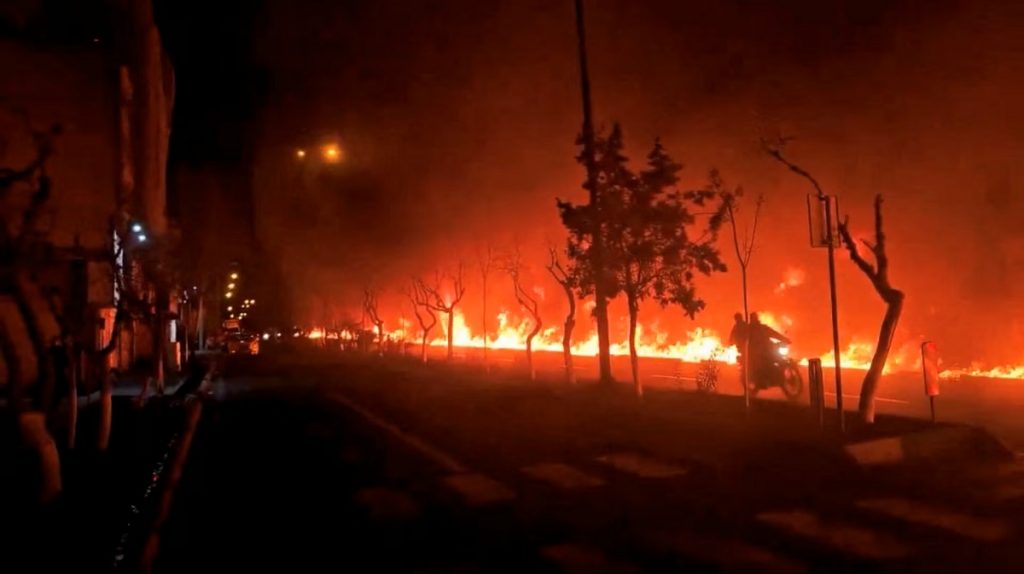
Speaking in Geneva, WFP Deputy Executive Director Carl Skau said the ongoing hostilities, sparked by Israeli and United States strikes on Iran and subsequent retaliatory attacks, are placing immense pressure on the agency’s ability to deliver food aid. “Our supply chains may really be on the brink of the most severe disruption since COVID-19 and the Ukraine war back in 2022,” Skau said. “We are really feeling the pain.”
WFP reports that shipping costs have already risen by 18%, with thousands of relief trucks now running on significantly more expensive fuel as global oil prices climb above $100 a barrel. The surge is being driven by fears of further supply constraints and the near‑standstill of traffic through the Strait of Hormuz, a vital corridor for energy and fertiliser shipments.
Higher fuel and transport costs mean WFP can purchase less food or provide smaller cash transfers to families in need. Cuts have already taken effect: rations for people in famine conditions in Sudan have been reduced, while in Afghanistan the agency is able to support only one in four acutely malnourished children.
Skau warned that fertiliser shortages, just as sub‑Saharan Africa approaches planting season, could compound global food‑price inflation. “A quarter of the world’s fertiliser supply comes through the Strait of Hormuz,” he said. “The spike in global food and fuel costs could leave millions priced out of staple foods.”
If the conflict continues through June, WFP estimates that an additional 45 million people could be pushed into acute hunger, driving global hunger levels to a record high.
In Lebanon, one of the conflict’s epicentres, humanitarian needs are rising rapidly. The UN’s top aid official in the country, Imran Riza, said that 132 700 people are sheltering in 622 sites, though more than one million have likely been displaced.
“The air bridge from Gulf states that supported Lebanon in 2024 is gone,” Riza said. Evacuation orders now cover southern Lebanon, Beirut’s southern suburbs and parts of the Bekaa Valley, with around 70% of displaced people staying outside formal shelters, making them harder to reach.
He added that many elderly people and those unwilling to abandon their homes remain trapped in frontline villages with little access to assistance.
The UN human rights office warned that Israel’s expanding displacement orders across southern Lebanon “may amount to forced displacement”, prohibited under international humanitarian law. Entire residential buildings have been destroyed in dense urban areas, often killing multiple members of the same family.
–UN/ChannelAfrica–


