


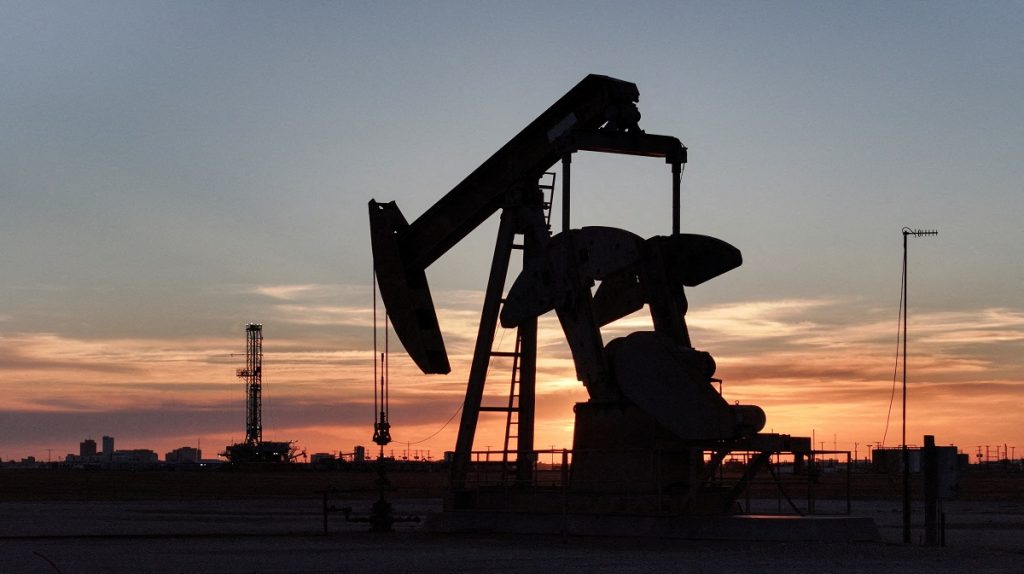
Strikes and counter‑strikes between Israel, the United States and Iran have damaged energy infrastructure, disrupted global supply chains and pushed oil prices above $100 a barrel, intensifying economic pressure worldwide.
Reports indicate that an oil refinery in Kuwait has been struck, while Qatar has warned that liquefied natural gas export capacity could fall following an attack on the Ras Laffan industrial complex, one of the world’s most important liquefied natural gas hubs. United Nations (UN) agencies say the impact is already being felt in health systems, supply chains and essential services as they struggle to scale up aid amid growing access restrictions.
The global fallout is adding new strain to Myanmar, where years of conflict and political instability have weakened the economy. Severe fuel shortages have prompted authorities to introduce strict rationing measures, including controlled sales and an odd‑even vehicle system that restricts movement based on number‑plate digits.
These measures are disrupting transport, businesses and humanitarian operations, with aid organisations warning that limited fuel availability could hinder delivery of assistance, particularly in hard‑to‑reach areas.
Supply chain delays at regional ports, rising freight and insurance costs and higher fertiliser prices are contributing to inflation and threatening the upcoming agricultural season.
For a country heavily dependent on imports, rising logistics costs are driving up the price of food and essential goods, deepening hardship for families already struggling through conflict, economic decline and the lingering effects of last year’s devastating earthquakes.
Meanwhile in Lebanon, one of the conflict’s epicentres, humanitarian agencies are racing to reach communities cut off by fighting. The UN Children’s Fund confirmed that a four‑truck convoy delivered safe water, hygiene kits and essential supplies to villages around Tyre on Tuesday, reaching more than 6 000 people, including over 2 000 children.
UN partners say efforts are continuing to reach isolated communities as displacement rises and living conditions deteriorate. Access constraints, damaged infrastructure and ongoing hostilities continue to complicate operations.
–UN/ChannelAfrica–


