


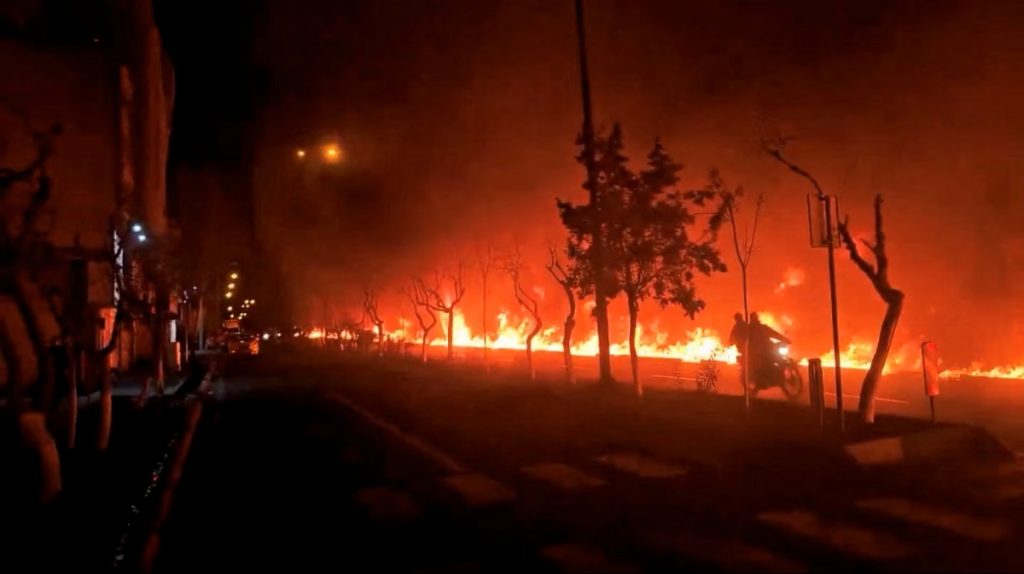
Oil prices remain above $100 a barrel, while shipping delays and temporary flight suspensions continue to affect international travel and supply chains. United Nations (UN) agencies warn that displacement, food insecurity and pressure on health systems are intensifying as the impact of the conflict ripples outward.
At a session of the UN Human Rights Council in Geneva, independent investigators reported mounting civilian casualties in Iran following three weeks of Israeli and United States strikes. Sara Hossain, head of the UN fact‑finding mission on Iran, told the Council that “mounting reports of civilian casualties, including children,” continue to emerge from affected areas.
Across the broader region, health authorities say more than half of those injured since hostilities escalated on 2 March have required emergency treatment, and many have needed prolonged hospitalisation or intensive care. Children account for roughly 16% of casualties. Hospitals and medical teams, already under strain before the conflict, warn they are now reaching breaking point.
Meanwhile, amid deteriorating global stability, the UN Security Council on Friday unanimously adopted a resolution extending the mandate of the UN Assistance Mission in Afghanistan until June 17 2026. All 15 members voted in favour. The resolution expresses deep concern at the ongoing erosion of human rights, especially for women and girls, and urges the Taliban to reverse restrictions on education, employment and participation in public life.
The Council also highlighted Afghanistan’s severe humanitarian and economic crisis, stressing the urgent need for safe and unhindered humanitarian access. International support remains essential as millions of Afghans struggle with food insecurity, displacement and limited access to basic services.
–UN/ChannelAfrica–


