


A report by the United Nations (UN) International Fund for Agricultural Development (IFAD) found that remittances increased by 94% between 2016 and 2025, while the number of migrants from recipient countries grew by 28%.
About 220 million migrants and diaspora members support an estimated 1.1 billion relatives worldwide. “This report is about financial flows of extraordinary scale. But more importantly, it is about families,” IFAD Financing Facility for Remittances Manager Pedro de Vasconcellos said.
Individual transfers are typically worth between $300 and $400 and are sent nine or 10 times annually.
Total remittances exceeded foreign direct investment to low-income and middle-income countries and were more than four times global official development assistance.
Asia and the Pacific remained the largest recipient region, receiving $384.9 billion, or 53% of the global total.
Africa received $124.2 billion, representing an 86% increase over the decade. Egypt overtook Nigeria as the continent’s largest recipient.
Latin America and the Caribbean recorded the fastest growth, with remittances increasing by 132% to $168.6 billion.
Remittances accounted for 30% of gross domestic product in Honduras, 28% in El Salvador and 27% in Nicaragua during 2025.
The report warned that deportations, employment restrictions and weaker labour demand in destination countries could reduce household income in migrant-sending countries.
However, de Vasconcellos said stricter migration policies had not yet caused a broad decline. “Figures right now do not show a reduction in remittances actually,” de Vasconcellos said.
About 75% of remittances cover food, shelter, utilities and other immediate needs. The remaining quarter, exceeding $180 billion annually, supports healthcare, education, housing, savings and businesses.
Almost $233 billion reached rural economies, while recipient households invested an estimated $22 billion in rural agrifood systems.
De Vasconcellos cautioned that remittances “cannot substitute” for public investment, social protection, humanitarian assistance or climate finance.
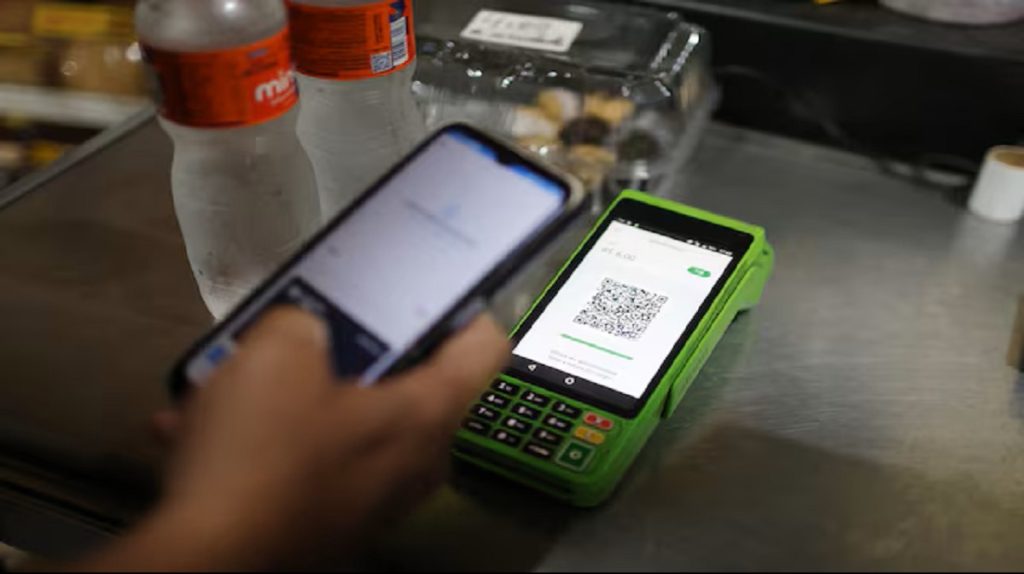
More than half of transfers now begin digitally, but only 35% are completed digitally. Digital transfers cost an average of 4.6%, compared with 7.3% for non-digital services. “Technologies really can help. But it’s not enough,” de Vasconcellos said.
IFAD called for cheaper, more transparent transfers and wider access to savings, insurance and investment products.
–UN/ChannelAfrica–


