

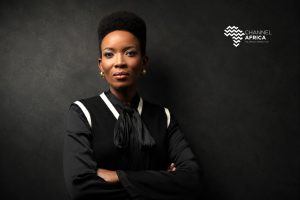
King Mohammed VI appointed El Mansouri four days after the election results were announced and tasked the Urban Planning Minister and Marrakesh Mayor with forming a new government.
The centre-right Authenticity and Modernity Party (PAM) won 97 of the 395 parliamentary seats but will require coalition partners to govern.
Political Analyst and Middle East and North Africa Researcher Ibrahim Dean, on Wednesday, described the appointment as historically significant but cautioned that Morocco’s broader political structure was unlikely to change substantially. “It is significant because El Mansouri is the first female Prime Minister appointed in Morocco and, I think, the second in the Arab world,” Dean said.
Dean said El Mansouri’s experience in municipal and national government could help address public concerns about education, healthcare and social services.
However, Dean said PAM would probably seek to reconstitute the previous governing coalition with the National Rally of Independents and Istiqlal Party.
“There is a bit of friction between the two,” Dean said, identifying negotiations over Cabinet positions as a potential obstacle.
The Democratic Left Federation and Justice and Development Party have reportedly ruled out joining the coalition.
Dean said El Mansouri’s rise could encourage greater participation by women in Moroccan politics. “El Mansouri has been one of the few who has been able to break many glass ceilings,” Dean said.
“El Mansouri became Mayor of one of the biggest cities in the country at only 34 or 35. That will inspire women who aspire to political office.”
However, greater representation alone would not resolve broader economic and social challenges affecting Moroccans across demographic groups.
Youth unemployment, inflation, housing costs, healthcare and education are expected to dominate the new government’s agenda.
Dean said declining voter turnout highlighted growing public distrust in political institutions. Turnout reportedly fell from about 50% in the previous election to 38%. “That points to growing apathy and distrust in governance,” Dean said.
“The biggest challenge is to ensure that Moroccans, especially young Moroccans, believe the political process can bring change and results.”
Dean warned that failure to address unemployment and deteriorating public services could deepen public frustration and lead to further protests.
–ChannelAfrica–


