


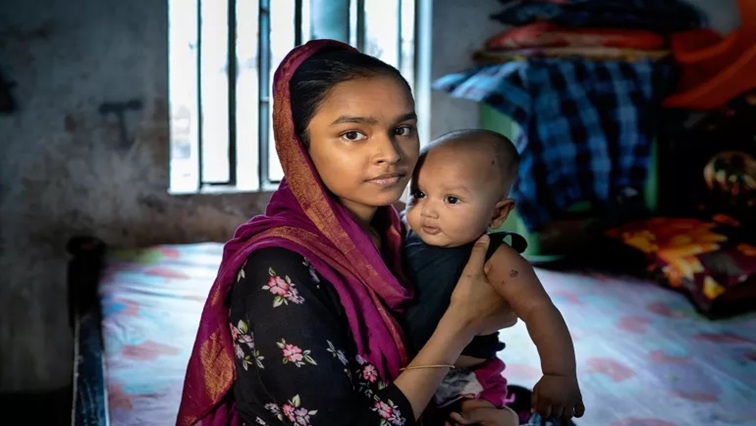
As the world marks World Breastfeeding Week, aid agency Médecins Sans Frontières (MSF) is warning that thousands of pregnant and breastfeeding women in eastern Chad are facing acute malnutrition.
The organisation says more than one in five women screened in the border town of Adré during the first half of this year were acutely malnourished.
It says most were from host communities excluded from food assistance because humanitarian aid is largely reserved for registered refugees amid severe funding shortages.
MSF says Between January and June 2026, it screened 5 785 lactating and pregnant women in Adré; 21.2%, were moderately or severely malnourished, significantly above the 15% emergency threshold that defines a critical humanitarian crisis.
This includes 16.2% women with moderate acute malnutrition and 5% with severe acute malnutrition.
Léa Ledru, MSF Project Co-ordinator in Adre, says the war in Sudan has led to high refugees living in precarious conditions.
“Gaps in funding have led to shortages on distribution activities. The cost of living in Hade has risen steadily since 2023. Food distribution has been reduced and host population were only partially targeted for assistance in the first place. Farmland available to host community around Hade has shrunk as the tone has expanded. So, all of these elements have led to the current situation we are facing among mothers who cannot have access to their basic needs.”
Ledru says humanitarian organizations have been forced to scale back activities because of funding shortfalls, including nutrition support in Adres.
“Since January 2026, the World Food Programme had to halve food rations for refugees, while host communities remain largely excluded from food assistance. At the moment, food supplementations are not sufficiently available to ensure this group of humans receive proper nutrition.”
Ledru says malnutrition in pregnant and breastfeeding women increases the risk of premature births.
She says MSF is calling on international donors to fund Chad’s 2026 response plans and to explicitly include host communities in food and nutrition assistance.
–ChannelAfrica/ Thuto Ngobeni–


