


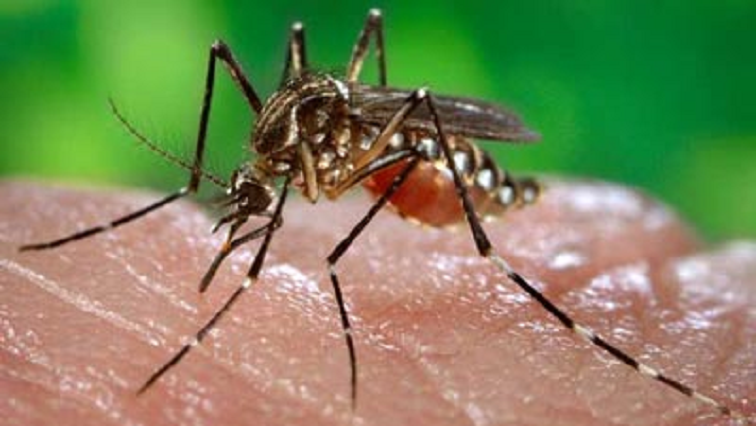
Samples from infected patients were taken to the national laboratory in the capital, Kinshasa, where they tested positive for malaria.
Health officials say other infectious diseases have been ruled out.
The malaria outbreak has been overshadowed by the Ebola outbreak, which has spread rapidly in the northeast of the DRC since it was declared in mid-May.
The rising number of Ebola cases has prompted the Canadian government to temporarily deny entry to foreign nationals who have been to the DRC within the previous 21 days.
Canadian officials say the move is aimed at preventing the spread of Ebola.
It comes a week after the United States announced (US) new travel restrictions for Americans returning from the DRC. Under the new rules, US citizens who have visited the DRC must spend 21 days in a third country before travelling home.
The World Health Organisation (WHO) declared a global health emergency due to the Ebola outbreak in the DRC on May 17 warning neighbouring countries to strengthen surveillance and preparedness.
But the WHO advised countries to avoid imposing travel restrictions, saying the move discourages transparency in reporting new Ebola cases.
However, their call has gone unheeded as the number of Ebola cases continues to rise in the DRC.
–SABC–


