

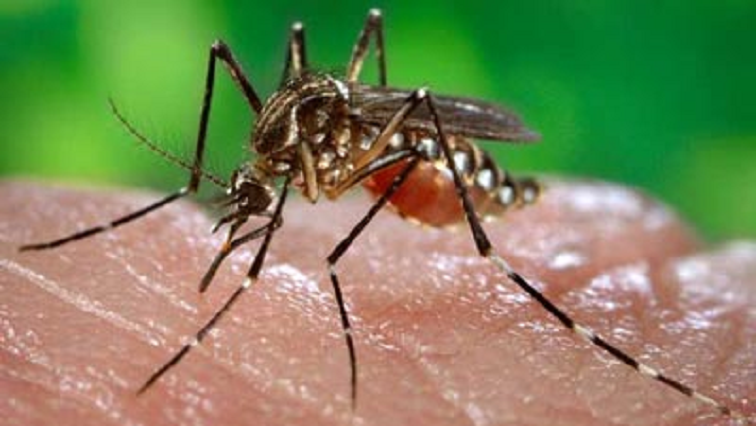
New vaccines are helping Ghana approach a long-sought goal of ending child deaths from malaria, demonstrating the potential of the shots to drive back a disease that kills nearly half a million young children every year in Africa, according to the international vaccine aid group Gavi and the country’s health service.
But aid cutbacks by the United States (US) President Donald Trump administration and other wealthy governments could mean fewer children benefit on the continent where malaria hits hardest, Gavi told Reuters.
Ghana is among the countries that had already made significant progress reducing malaria mortality by scaling up interventions such as the distribution of bed nets treated with insecticides and improving access to both preventive drugs and prompt treatment.
Two new vaccines, one developed by British drugmaker GSK, the other by Oxford University and the Serum Institute of India, are helping close the remaining gap, said Doctor Selorm Kutsoati, who heads Ghana’s immunisation programme.
“For me, the malaria vaccine is a gamechanger,” she told Reuters.
Gavi is currently the only organisation purchasing malaria shots for African nations. It anticipates it will be able to spend just over $800 million on the programme over the next five years, 28% less than the expected need, after falling $2.9 billion short of its overall funding goal for the period, according to internal estimates prepared for its board of directors in December, seen by Reuters.
An additional 19 000 lives could be lost as a result due to lower vaccination rates, the documents say.
The estimate, which has not previously been reported, is based on modelling of the vaccines’ impact by researchers at Imperial College London and the Swiss Tropical and Public Health Institute.
“It is the gap between the promise and the need for the vaccine, and the resources we have to provide that,” Scott Gordon, who heads Gavi’s malaria program, told Reuters.
US Health Secretary Robert F. Kennedy announced in June that Washington would no longer support Gavi, part of sweeping cuts to foreign aid that President Donald Trump says do not align with his “America First” agenda.
The US was previously one of the group’s top donors, contributing some $1.3 billion between 2020 and 2024.
The US “remains committed to working with global partners to combat malaria,” a Department of Health and Human Services official told Reuters.
But the Trump administration will not disburse funds to Gavi unless it starts phasing out vaccines containing the mercury-based preservative thimerosal from its portfolio, the official said.
–Reuters–


