


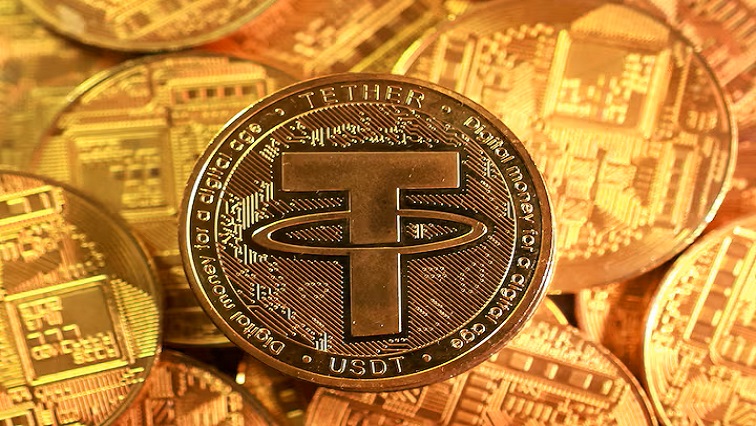
Africa’s largest economies, Nigeria and South Africa (SA), are driving the strongest growth in demand for stablecoins, with users expressing optimism about their potential and a desire for wider acceptance, a new survey shows.
Stablecoins, digital tokens pegged to currencies like the United States (US) Dollar, offer faster and cheaper ways to move money, particularly in countries where traditional payments are slow or costly. But their reliance on the dollar also raises concerns over economic dollarisation and potential capital flight.
The Stablecoin Utility Report, conducted by YouGov in partnership with crypto firms BVNK, Coinbase, and Artemis, surveyed over 4 650 individuals across 15 countries. Nearly 90% of stablecoin transactions currently involve crypto trading, with just 6% used for paying for goods or services.
In Nigeria and SA, almost 80% of respondents already hold stablecoins, with over 75% planning to increase their holdings. Among Nigerians, 95% said they would prefer receiving payments in stablecoins rather than in the local Naira.
“People are already getting paid and spending stablecoins, especially where traditional payments are slow, expensive, or unreliable,” said Chris Harmse, Co-founder of BVNK.
Globally, the stablecoin market is valued at over $310 billion, dominated by US-pegged tokens Tether ($185 billion) and USDC ($75 billion). While central bankers in emerging markets warn that stablecoins could drain domestic bank deposits and weaken monetary policy, proponents highlight potential benefits, such as reducing remittance fees that can reach $30 to send $100 to neighbouring countries.
Limited acceptance in shops and online remains a barrier to everyday use, but growing interest in Africa suggests stablecoins could play an increasingly important role in digital finance.
–Reuters/ChannelAfrica–


