


The strike will resume without warning, and this time, it will be total and indefinite.
The seven-day warning strike by nurses across Nigeria has been suspended following a breakthrough in negotiations with the federal government. But the message from the National Association of Nigeria Nurses and Midwives is one of cautious resolve. While they’ve secured commitments on salary increases, improved working conditions, and formal recognition of their professional concerns, union leaders insist they will not let their guard down.
The nurses’ demands centred on longstanding issues; harmonised salary structures, structured placements following professional training, and new allowances to recognise the pressures of the job and the need to retain skilled personnel. With a growing number of nurses leaving the country for better-paying opportunities abroad, the union pushed for a “retention allowance” to reward those who remain and serve in Nigeria’s overburdened public health system.
In response, the government has agreed to a phased 20% salary increase and pledged to standardise post-training placements. A white paper formalising the agreement is expected within three to four weeks, with gazetting and implementation to follow. This move marks a departure from previous negotiations where timelines were vague and implementation often stalled.
However, Lyamgohn reports that trust remains a key issue. During the final round of talks, confusion arose when the Health Minister prematurely declared the strike over. The union swiftly pushed back, clarifying that only its executive committee could make that decision, which they later did, on the condition that progress will be closely monitored and action resumed immediately if necessary.
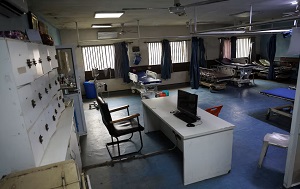
Though limited in scope, the warning strike exposed significant vulnerabilities in Nigeria’s healthcare system. Junior nurses withdrew their services, putting pressure on already stretched hospitals. Patients in public health facilities reported delays and understaffing during the strike period, underscoring the critical role nurses play in service delivery.
Health Minister Dr Ali Pate insisted the government is prepared to follow through, stating that recent nurse recruitment drives were already part of the government’s broader healthcare reform plan. He added that future rounds of recruitment have been budgeted for, and internal circulars have begun circulating to activate implementation of the new commitments.
For ordinary Nigerians, the suspension of the strike brings much-needed relief. Social media commentary over the weekend reflected public support for the nurses’ demands, as many rely heavily on public healthcare due to the high cost of private services.
As Lyamgohn notes, the difference between this strike and others, such as the recent teachers’ strike in the Federal Capital Territory, lies in the strength of the nurses’ union and the far-reaching consequences of a healthcare shutdown. The public pressure, he adds, is likely to keep the government accountable, at least for now.
One non-negotiable point in the agreement is that no nurse will face disciplinary action for participating in the strike. The union warned that any violation of this clause would immediately trigger renewed industrial action.
–ChannelAfrica–


