

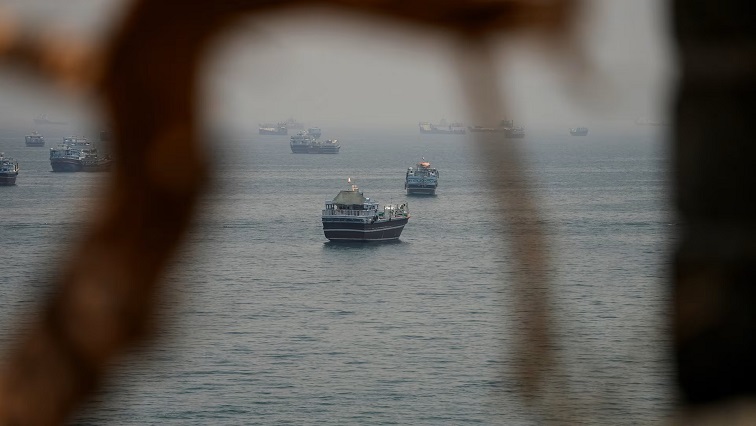
After surging at the start of the conflict, crude prices stabilised within a range of $90 to $100 per barrel, despite disruptions that exceeded those experienced during the 1973 oil crisis, the Iran-Iraq war and the Gulf War.
According to International Monetary Fund Energy Analysts, three key factors helped prevent an even sharper price shock.
The first was a reduction in demand. Higher prices led consumers and businesses, particularly in Asia, to reduce fuel consumption and increase reliance on alternatives such as coal and renewable energy. Although transport-related fuel demand remained relatively resilient, subsidies, fuel price controls and tax relief measures in some countries softened the impact on consumers.
The second factor was increased production outside the Gulf region. Global oil output from producers beyond the conflict zone rose by nearly two million barrels a day above 2025 levels. The United States contributed the largest increase, while Venezuela, Guyana and Russia also expanded production.
The third and most significant buffer came from global inventories. Analysts estimate that a market deficit of about four million barrels per day between March and May was largely covered through the drawdown of commercial and strategic oil reserves. Stocks in China and emergency reserves held by governments played an important role in maintaining supply.
Despite these measures, the report warns that much of the market’s flexibility has now been exhausted.
By the end of May, more than 1.1 billion barrels of crude oil, equivalent to roughly 10 days of normal global consumption, had failed to reach markets because of disruptions linked to the conflict. While alternative export routes helped offset some losses, they could only replace a fraction of the volumes normally shipped through the Strait of Hormuz.
Saudi Arabia redirected some exports via pipelines to the Red Sea port of Yanbu, while the United Arab Emirates increased exports through Fujairah, located outside the Strait. However, these alternatives could not fully compensate for lost shipping capacity.
The disruption also affected refined petroleum products, particularly diesel and jet fuel, sectors where Gulf producers account for approximately 10% of global supply.
Although prices declined after reports of a framework agreement between the United States and Iran aimed at reopening the Strait of Hormuz, uncertainty remains over how quickly normal operations can resume.
Industry estimates suggest that even after a full reopening, it could take between two and three months before a significant proportion of disrupted oil flows return to global markets. Additional concerns remain that prolonged shutdowns could result in permanent production losses in some fields, particularly where investment and financing are limited.
Analysts warn that inventories have now been significantly depleted, reducing the world’s ability to absorb future disruptions. Spare production capacity has also been utilised, leaving less flexibility if another major shock occurs.
The report identifies three key lessons for policymakers.
First, rebuilding oil inventories is essential to strengthen resilience against future supply disruptions.
Second, reliance on a single strategic chokepoint such as the Strait of Hormuz exposes the global economy to significant risk. Greater diversification of energy sources, including renewable energy, and alternative transport routes will be critical.
Third, support measures aimed at shielding consumers from higher energy prices should be targeted and temporary to avoid placing excessive pressure on government finances while preserving incentives for energy efficiency.
The analysis concludes that while market flexibility and policy responses helped cushion the initial impact of the crisis, the global energy system is now operating with a much smaller margin for error. Without replenishing inventories and diversifying supply sources, future energy shocks could have a far more severe impact on economic growth, inflation and energy security.
–IMF/ChannelAfrica–





