


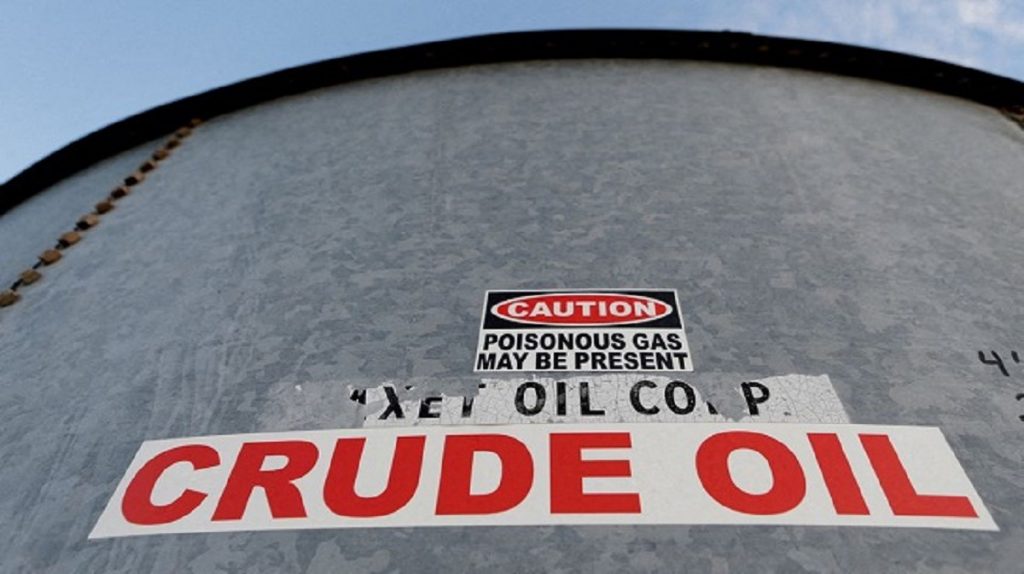
Brent crude has jumped from around $60 a barrel in January to just over $100 this week, with economists warning that the volatility could deepen if supply disruptions intensify.
Speaking to Channel Africa on Monday, John Loos, An Economist, explained that the rise is driven almost entirely by supply fears. “It has come a long way, especially in just over two weeks. Most of it is the result of the conflict. Markets are concerned about further supply constraints,” he said.
The Strait of Hormuz remains a major focal point, not only for oil shipments but also for fertiliser exports from Gulf states. “Fertiliser is a big input for global agriculture. If supply is constrained, fertiliser prices rise along with diesel, and that can impact food prices.”
For countries reliant on imported fuel, such as South Africa, the link to higher prices is immediate. “It is purely petrol prices for us. When oil goes up, pump prices go up because of the way government administers fuel,” Loos noted. Fuel price increases feed directly into private transport costs, making driving more expensive for middle‑ and higher‑income households.
Public transport operators also face rising fuel bills, but tend to adjust fares more slowly. “Taxi fares did go up in 2022, but by around 19 per cent, compared with nearly 50 per cent for private transport users,” he said. Public transport providers often absorb cost spikes temporarily, smoothing the inflationary impact.
The economist stressed that while pressure is building, it is not yet at crisis levels. Previous spikes saw Brent crude exceed $125 in 2022 and $150 in 2008, both accompanied by food‑price shocks that pushed inflation towards 8%. “We are not there yet after only two and a half weeks of conflict. Oil would need to remain high for longer,” Loos said.
Governments can cushion low‑income households through temporary fuel‑levy reductions, targeted transport subsidies for minibus taxis and buses, or conditional cash transfers. Rising fuel costs also affect food distribution and agricultural production, raising the cost of essentials. The economist warned: “Higher diesel prices raise transport costs for food, and higher fertiliser prices push up production costs. Both work their way into retail food prices.”
If the conflict persists, the combined pressure on fuel and food could deepen the inflation strain felt by households across the region.
–ChannelAfrica–


