


However, analysts warn that the agreement remains fragile and that relief for consumers, particularly in import‑dependent countries such as South Africa, may be delayed.
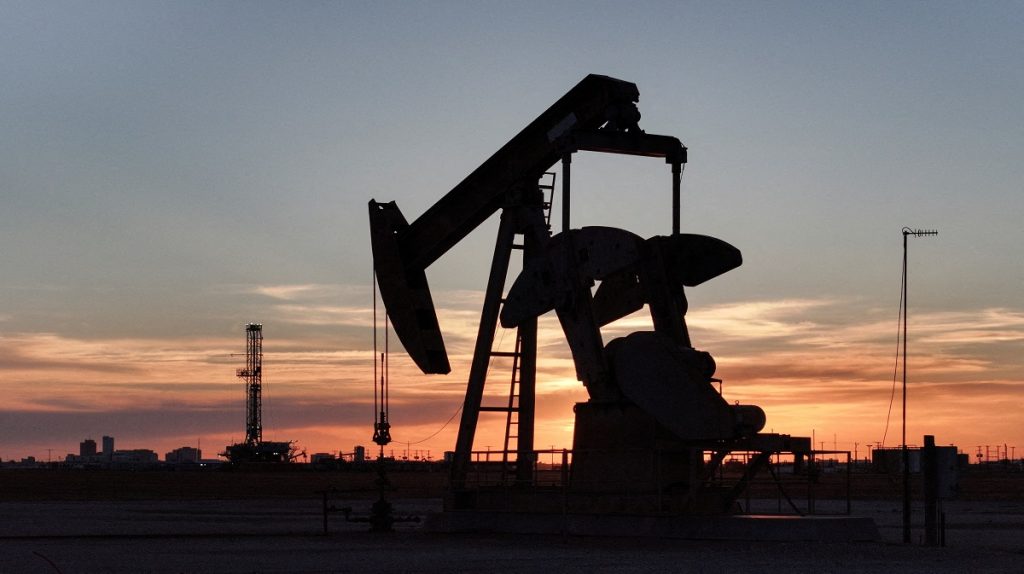
Benchmark Brent crude dropped from around $113 per barrel to about $95, a decline of almost 17%, after former US President Donald Trump announced the temporary halt in strikes, conditional on Iran keeping the Strait of Hormuz open. The waterway handles roughly 20% of the world’s seaborne oil trade, making its reopening critical to market stability.
Energy Analyst Matthew Cruise of IMPOWER told Channel Africa that the price drop was directly linked to the easing of immediate supply risk. “The market had priced in the possibility of the strait being closed,” he said. “Once that risk was removed, prices corrected very quickly.”
Despite the drop, oil remains far above its pre‑conflict level of about $70 per barrel recorded in late February. Cruise said prices are unlikely to return to those levels soon due to heightened risk awareness. “This conflict has exposed just how sensitive global oil markets are. Even if the ceasefire holds, there is now a permanent risk premium built in.”
Energy stocks in the US and Europe declined as oil prices slid, reflecting a reversal of expectations that high prices would inflate company earnings. Futures markets currently point to oil stabilising closer to $90 per barrel, signalling continued volatility rather than a rapid return to normality.
For South Africa, the implications are significant. Cruise said the country is highly sensitive to diesel prices due to reliance on diesel‑fired power generation and off‑grid mining operations. Recent sharp increases in diesel and petrol prices are already feeding into transport costs, food prices and electricity tariffs.
However, he said global instability is also accelerating opportunities in renewable energy. Rising diesel costs are making solar and battery systems far more competitive, particularly for mines and agricultural operations operating far from the grid. “Electricity from solar and batteries is now about a third of the cost of running diesel generators,” Cruise said. “We are seeing a renewed surge in demand for renewables.”
While oil prices have fallen quickly, Cruise warned consumers to temper expectations. “Oil companies tend to pass increases on immediately, but price cuts take months to filter through,” he said. “Any meaningful relief will depend on sustained stability, which remains uncertain.”
–ChannelAfrica–


