


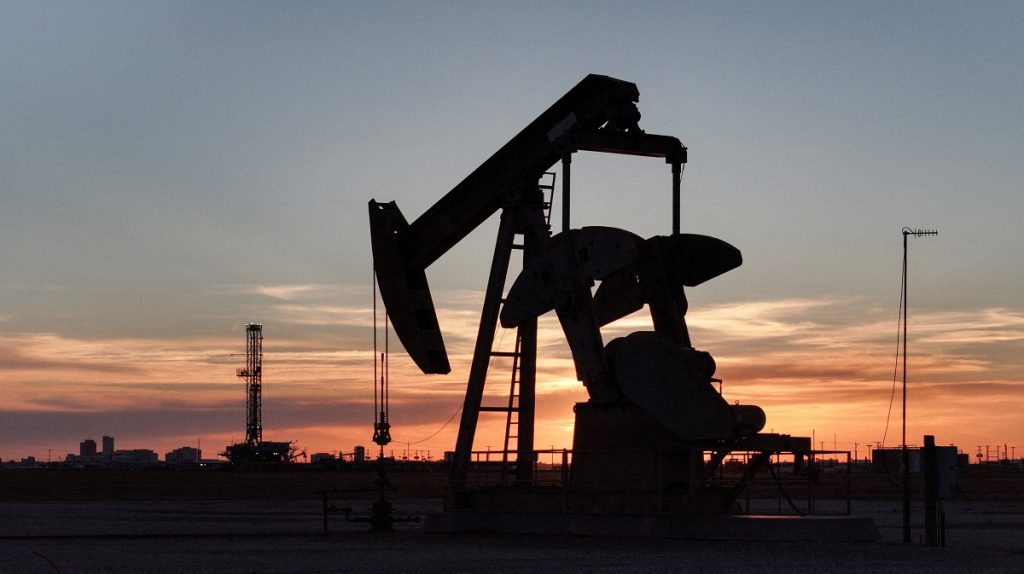
The conflict has disrupted seaborne oil and natural gas shipments, sending Brent crude oil prices over $100 a barrel. The global lender has not received formal requests for emergency financing but stood ready to help member countries, Julie Kozack, Spokesperson for the IMF, told reporters. She said IMF officials were engaging with finance ministers and central bankers from member countries, as well as with regional institutions.
Kozack said the war’s impact would depend on its duration, intensity and extent. The IMF will include the war’s impact in an updated global economic outlook to be released in mid-April during the IMF-World Bank spring meetings.
“Oil and gas prices, as you know, have increased by more than 50% over the last month, to over $100 a barrel for Brent. In addition, fertiliser shipments have been disrupted, and this, along with transportation disruptions, raises risks that we could see increases in food prices, and those could be substantial, again, depending on the duration and intensity,” she said.
With no end in sight, almost three weeks into the war, European powers and Japan said on Thursday they would act to stabilise energy markets and join “appropriate efforts” to open the Gulf’s energy chokepoint after tit-for-tat strikes on energy plants dramatically escalated the United States-Israeli war with Iran.
Kozack cited an IMF rule of thumb which held that every 10% increase in energy prices, if sustained for about a year, would result in a 40-basis-point increase in global inflation, as well as a drop in output of 0.1% to 0.2%. If oil prices remain over $100 for a year, that would translate into significant impacts on inflation and global economic output.
Central banks, she said, should keep a careful eye on whether inflation was expanding beyond energy prices and whether inflation expectations were remaining well-anchored.
–Reuters–


