


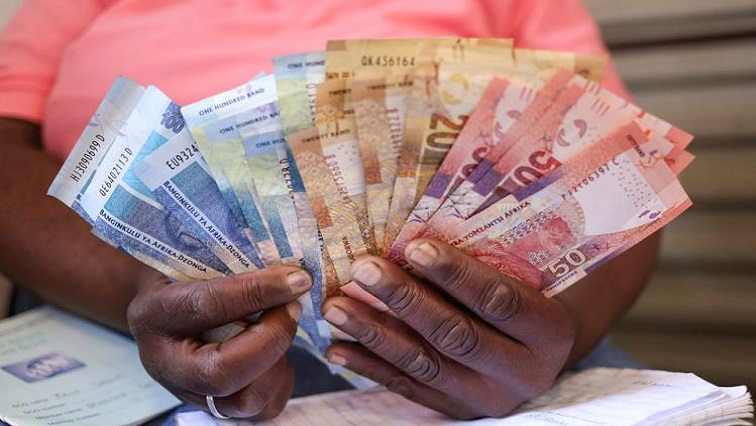
The South African (SA) Rand weakened early on Thursday as escalating Middle East tensions and surging oil prices stoked inflation fears and dampened risk appetite ahead of key domestic data.
Rand traded at 16.5625 against the Dollar, roughly down 0.4% from Wednesday’s close.
The local currency has been under pressure recently, shedding more than 3% last week, pressured by rising oil prices that pose a challenge for SA as a net energy importer.
Iran said the world should brace for $200-a-barrel oil after its forces struck merchant ships on Wednesday, while the International Energy Agency urged a massive release of strategic reserves to blunt one of the worst oil shocks since the 1970s.
Oil prices rose over $100 a barrel, adding to inflation pressures, as Iran stepped up attacks on oil and transport facilities across the Middle East.
“For now, the key thing investors are watching is whether the Strait of Hormuz reopens, because that will likely determine whether oil prices settle down or continue climbing,” said Wichard Cilliers, Head of Market Risk at TreasuryONE.
Cilliers added that the Rand “will remain volatile” until there is clarity on the duration and scale of the conflict.
The SA Reserve Bank will publish fourth-quarter current account data.
Statistics SA will then release the January mining output and manufacturing production data.
SA’s benchmark 2035 government bond was weaker in early deals, as the yield rose 13.5 basis points to 8.61%.
–Reuters–


