


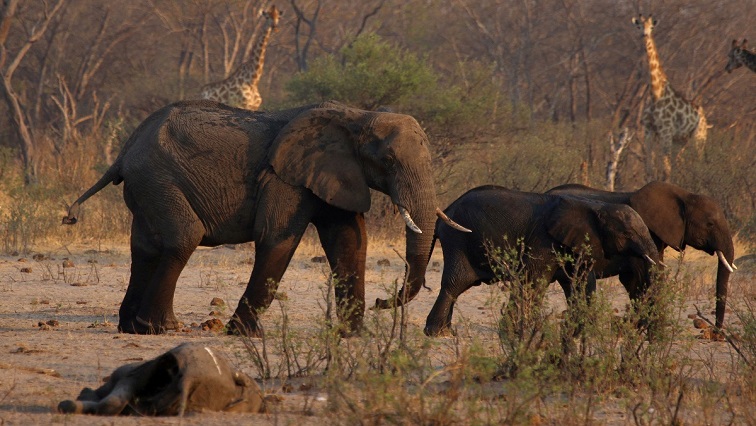
Rangelands, which include grasslands, shrublands and drylands found on every continent except Antarctica, play a critical role in global food systems. Around 2 billion people depend on these landscapes for food, livestock production and income, while rangelands provide nearly 70% of the world’s livestock feed.
Yet up to 40% of rangelands are already degraded or at risk of degradation because of drought, overgrazing and years of underinvestment.
When rangelands deteriorate, the consequences extend beyond environmental concerns. Reduced grazing land can threaten livestock production, weaken food security and undermine the livelihoods of communities that depend on pastoralism and agriculture.
Recent assessments from Botswana, Kazakhstan and Kenya highlight how different regions are confronting similar challenges.
In Botswana, where rangelands support key sectors including livestock farming and tourism, a nationwide ecosystem assessment found that grasslands are shrinking as invasive plant species spread and droughts become more frequent. The study also found that areas managed through strong traditional community governance systems tended to be more resilient.
Kazakhstan is facing a different but equally severe challenge. The disappearance of much of the Aral Sea has left behind a 5.4-million-hectare salt desert, contributing to widespread land degradation. More than 80% of pastures in the neighbouring Kyzylorda region have been affected, while dust storms continue to spread salt across vast distances.
In northern Kenya, satellite data collected since 1990 shows grasslands around Marsabit County steadily giving way to desert conditions. The Chalbi Desert is projected to expand significantly in coming decades if current trends continue, threatening grazing land relied upon by generations of pastoralist communities.
Efforts to address the problem are combining scientific research with local knowledge.
Botswana’s ecosystem assessment involved more than 2 000 contributors, including researchers, government agencies and traditional knowledge holders.
Kazakhstan has launched large-scale restoration initiatives, including a saxaul tree planting programme covering 337 000 hectares of the former Aral Sea seabed, with plans to expand to 1.1 million hectares by 2030.
In Kenya, researchers have combined more than three decades of satellite monitoring with knowledge from Indigenous elders to guide restoration projects and improve land management.
Experts say successful restoration depends not only on scientific evidence but also on involving communities that have lived on and managed these landscapes for generations.
The future of rangelands is expected to feature prominently at a United Nations conference on desertification opening in Ulaanbaatar, Mongolia, on August 17, where governments and experts will discuss strategies to combat land degradation and strengthen resilience in vulnerable ecosystems.
–UN/ChannelAfrica–


