
The aim is to streamline multiple processes, including those led by Angola and the Luanda roadmap, into one coordinated strategy addressing the humanitarian and security crises involving the M23 rebels.
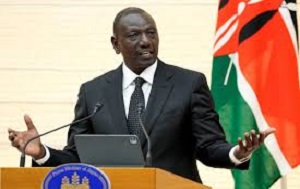
However, questions remain about the effectiveness of the initiative. Despite recent claims that Rwanda and the DRC had reached a peace agreement, key conditions such as the integration of rebel forces into the DRC army and the handover of occupied territories remain unmet. Observers have also raised doubts about whether the summit’s co-chairs, Kenya’s William Ruto and Zimbabwe’s Emmerson Mnangagwa, have the regional influence needed to resolve the long-standing conflict.
In Angola, President João Lourenço made his first public remarks following deadly protests over fuel price hikes. He blamed the unrest on “irresponsible citizens” and “unpatriotic organisations,” echoing rhetoric often used by governments facing public dissent. However, analysts argue the 33% increase in fuel costs has triggered legitimate grievances amid rising transport and food prices, with protesters also expressing anger over corruption and economic mismanagement.
At least 30 people have been killed in clashes with security forces, with critics accusing the government of responding with excessive force while failing to address the root causes of public frustration. Angola’s oil-dependent economy and limited refining capacity remain structural weaknesses that have intensified public discontent.
In Mali, former Prime Minister Moussa Mara has been detained and charged over a social media post critical of the country’s military leadership and erosion of political freedoms. Authorities also barred him from attending a regional summit in Senegal. The move is widely seen as an effort to silence opposition voices and prevent exiled dissent, amid what analysts describe as a broader trend of democratic backsliding in the region.
Turning to North Africa, United States President Donald Trump has reaffirmed Washington’s support for Morocco’s sovereignty over Western Sahara, reinforcing a position adopted during his previous term. The development is seen as a significant blow to the Polisario Front and Western Sahara’s independence aspirations. With France and some African states shifting toward Morocco’s stance, momentum for Western Sahara’s self-determination appears to be weakening.
In the diaspora, United Kingdom Conservative Party leader Kemi Badenoch’s comments distancing herself from her Nigerian heritage have sparked debate over identity and belonging. Critics argue her rejection of African ties reflects a political strategy to appeal to Britain’s right-wing establishment, while others question whether cultural identity must be rooted in birthplace or political allegiance.
–ChannelAfrica–


