


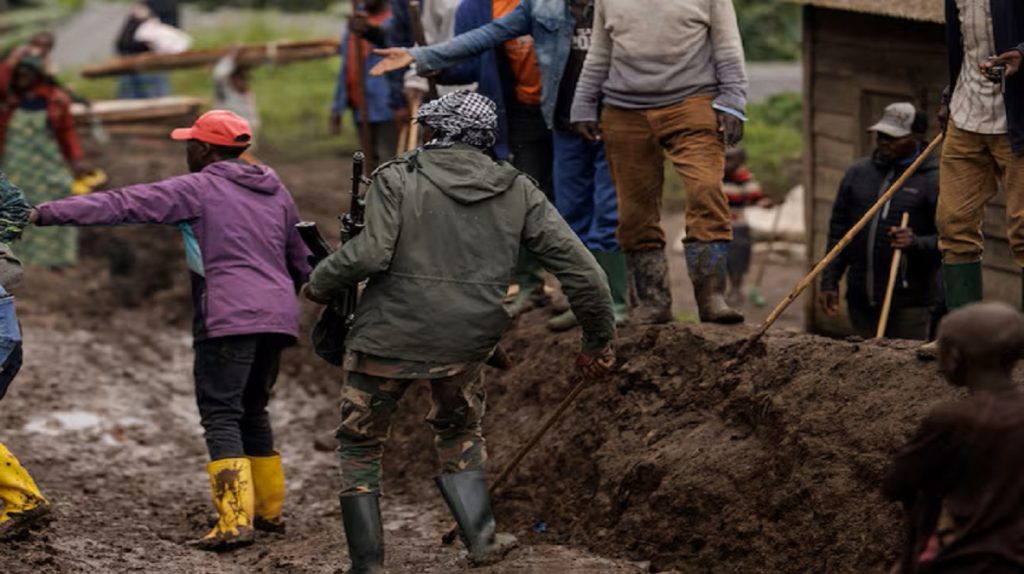
A fresh offensive by the Alliance Fleuve Congo and the Mouvement du 23 mars, also known as AFC/M23, has reignited large-scale hostilities in South Kivu, only days after international agreements were signed to de-escalate the conflict. The fighting has resulted in civilian casualties, destruction of infrastructure and the displacement of hundreds of thousands of people, according to the United Nations (UN) and humanitarian agencies.
Health services in affected areas are collapsing as facilities are damaged or overwhelmed, leaving communities without access to basic care. Aid groups warn that insecurity is also restricting humanitarian access, compounding the suffering of displaced families.
The UN and members of the Security Council have repeatedly described the majority-Tutsi M23 militia as being backed by Rwanda, an allegation Kigali continues to deny. Addressing the Security Council on Friday, United States Ambassador Mike Waltz said Washington was “incredibly disappointed” by Rwanda’s recent actions, after having facilitated the signing of a peace agreement between Rwanda and the DRC in Washington just a week earlier. He accused Kigali of supporting and exercising control over the M23 rebels.
Jean-Pierre Lacroix, Under-Secretary-General for UN Peace Operations, warned that the renewed offensive has revived “the spectre of a regional flare-up with incalculable consequences”. He said the territorial expansion of the AFC/M23 and the weakening of state authority in eastern DRC threaten national unity, sovereignty and territorial integrity.
Lacroix noted that recent diplomatic breakthroughs had raised genuine hope for de-escalation. These included the Washington Accords signed on December 4 and the Doha Framework Agreement reached in November between the DRC Government and the AFC/M23.
However, continued ceasefire violations and renewed fighting now risk undoing that progress. Lacroix warned that the growing gap between political commitments and their implementation on the ground is eroding confidence in peace processes and deepening the sense of abandonment felt by civilians caught in the conflict.
–UN/ChannelAfrica–


