

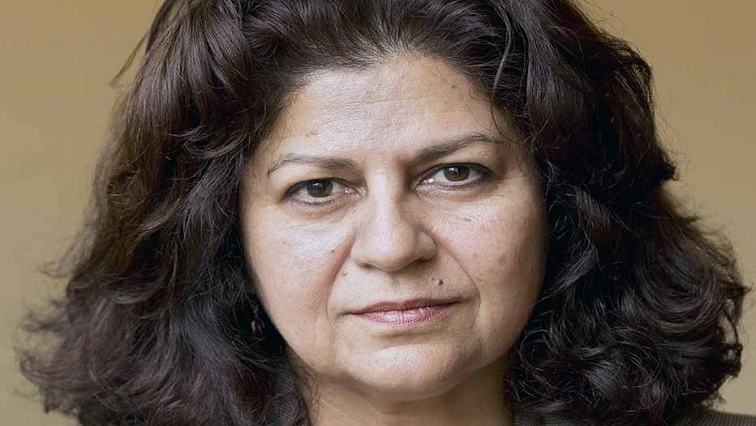
Mohammed was shot and killed outside a home in Baghdad in March 2026 by unidentified gunmen. More than 100 days later, advocacy groups say there has been little visible progress in identifying or prosecuting those responsible.
Equality Now Advocate for Gender Justice, Naglaa Sarhan, told Channel Africa on Wednesday that the killing reflects a broader pattern of threats against women’s rights defenders, driven by the rise of organised anti-rights movements. Sarhan said Mohammed had long been a vocal campaigner against gender-based violence and had established safe houses for women and girls in Iraq, placing the activist at the centre of a growing backlash from conservative groups.
Sarhan said Mohammed had received repeated threats over several years, but there was limited action from authorities to ensure protection. According to Sarhan, the lack of accountability following the killing sends a dangerous signal that such attacks can occur without consequences.
The case has heightened concern about the safety of women’s rights advocates in the region and globally. Sarhan said incidents like this create a climate of fear, discouraging activism and undermining confidence in state institutions to provide protection.
At the same time, Sarhan acknowledged that there has been some progress globally on women’s rights, particularly through legal reforms aimed at addressing discrimination. Recent examples include legislative changes in parts of the Middle East that have repealed provisions enabling gender-based exploitation, reflecting growing international commitment to equality.
However, Sarhan said these advances are being challenged by a resurgence of anti-rights movements that are gaining momentum and pushing back against gender equality efforts. This tension, Sarhan said, highlights the need for stronger global solidarity and coordinated action.
Despite the risks, women’s rights organisations continue to mobilise. Sarhan said advocacy groups are increasingly working across borders to raise awareness, support affected communities and hold governments accountable.
–ChannelAfrica–


