


The latest monthly conflict tracker from the International Crisis Group highlights growing security risks across Africa, even as some conflict situations showed limited improvement globally.
The report records nine situations that improved in April and one potential resolution opportunity in May. However, it warns that 12 conflict risks remain, 11 of them linked to the Middle East.
A fragile ceasefire between the United States (US) and Iran, brokered through Pakistan after nearly six weeks of war, has temporarily halted fighting across parts of the region. But the Crisis Group cautions that the agreement remains unstable, with rising tensions at sea and the risk of renewed escalation still high.
It warns that any collapse in diplomacy could quickly reignite hostilities, including possible Iranian retaliation against Gulf energy infrastructure and renewed involvement by Yemen’s Houthi movement, which has signalled readiness to re-enter the conflict. The security of the Bab al-Mandab waterway remains a major concern.
In Lebanon, despite a ceasefire, Hizbollah and Israel have continued exchanging fire, with fears that renewed regional escalation could push the conflict back into full-scale war. In Gaza, Israeli strikes have continued almost daily, killing dozens of Palestinians, as discussions continue over whether to resume a wider military campaign if Hamas does not agree to disarm.
In Africa, the report highlights a sharp deterioration in Mali, where militants linked to Jama’at Nusrat al-Islam wal-Muslimin and Tuareg rebels launched coordinated attacks that resulted in the killing of Defence Minister General Sadio Camara and the loss of territory. The groups have also threatened to impose a blockade on Bamako, raising concerns over President Assimi Goïta’s grip on power.
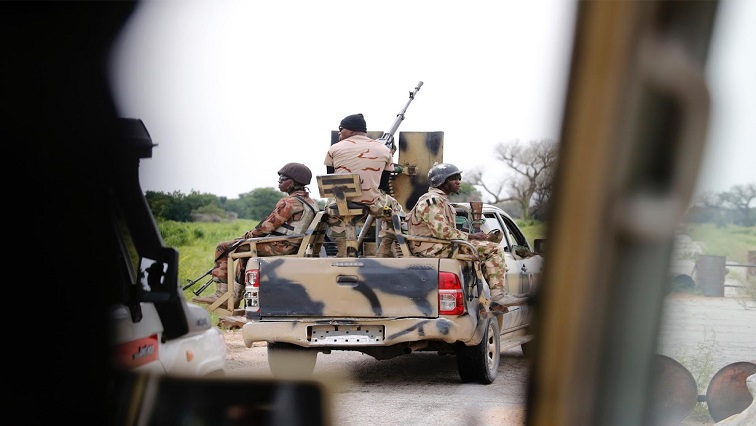
In Nigeria, a classified security memo cited in the report suggests jihadist militants may have infiltrated Abuja, raising fears of potential attacks on key state infrastructure.
The Crisis Group also notes worsening violence in other global hotspots, including Colombia and India’s Manipur state.
Aside from the scores of conflict situations it regularly assesses, the organisation also tracked significant developments in Bahrain, China–US relations, Kazakhstan, Kuwait, Madagascar, Oman, Peru, Qatar, South Africa, Tanzania, Togo and the United Arab Emirates, reflecting what it describes as a persistently volatile global security environment.
–ChannelAfrica/InternationalCrisisGroup–


