


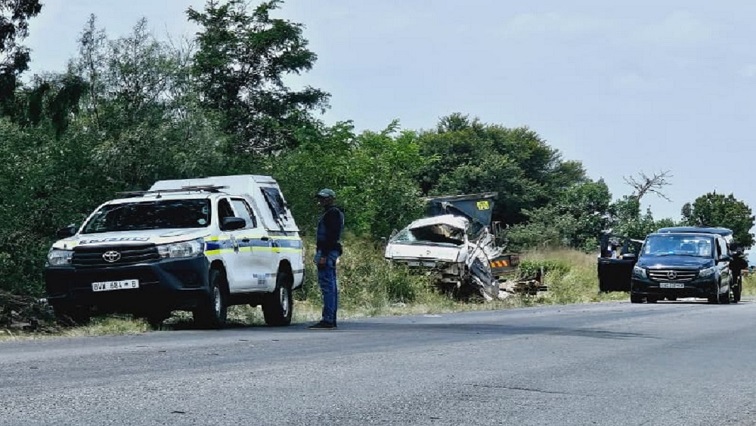
New data from the WHO shows that the global rate of road traffic deaths fell by 21% between 2011 and 2025, even as road transport systems expanded rapidly and new forms of mobility emerged.
Despite this progress, road crashes still claimed 1.16 million lives in 2025. Road traffic injuries remain the leading cause of death among children and young people aged between five and 29.
The data comes as global leaders adopt a new United Nations (UN) General Assembly declaration aimed at accelerating action on road safety. The declaration supports the Sustainable Development Goal target of reducing road deaths and serious injuries by 50% by 2030, compared with 2021 levels.
WHO Director-General Dr Tedros Adhanom Ghebreyesus said the decline in deaths shows that road safety interventions can work. “This progress shows that change is possible when countries invest in safe road systems. In the last 15 years we’ve made real progress in reducing road deaths, despite surging vehicle numbers and major shifts in how people move,” Tedros said.
Tedros said the political declaration should help countries prioritise safer road design. “I commend countries for the strong political declaration they are adopting today, which aims to accelerate action to ensure more roads are designed for people first, not motor vehicles, with safety as a priority. All road deaths are preventable, and none are acceptable,” Tedros said.
The UN declaration calls on member states to adopt national road safety strategies with clear targets, timelines and budgets. It also urges countries to establish lead road safety agencies, improve data collection, strengthen laws and ensure that infrastructure and vehicles meet safety standards.
A key focus is the “safe system” approach, which recognises that road users make mistakes and that roads, vehicles, speeds and regulations should be designed to prevent crashes from becoming fatal.
WHO said motorcycle use has increased sharply, partly because of ride-hailing and delivery platforms. The number of motorcycles more than tripled between 2011 and 2025, and motorcyclists now account for nearly one-third of global road deaths.
WHO Department of Health Determinants, Promotion and Prevention Director Dr Etienne Krug said vulnerable road users remain at high risk. “More than half of all road deaths are people who aren’t even in a car – they are walking, cycling or riding a motorcycle. When roads are designed as if only car drivers matter, these people are left dangerously exposed,” Krug said.
Krug said stronger laws, enforcement, safer infrastructure, safer vehicles, lower speeds and action against impaired driving remain essential.
Progress varies sharply by region. Road deaths fell by 36% in the WHO European Region, 15% in the Western Pacific Region and 2% in South-East Asia. Death rates were unchanged in the Americas, while the WHO African Region recorded a 17% increase.
WHO said improving road safety can also support better public health, cleaner air and more liveable cities by encouraging walking, cycling and public transport.
–WHO/ChannelAfrica–


