


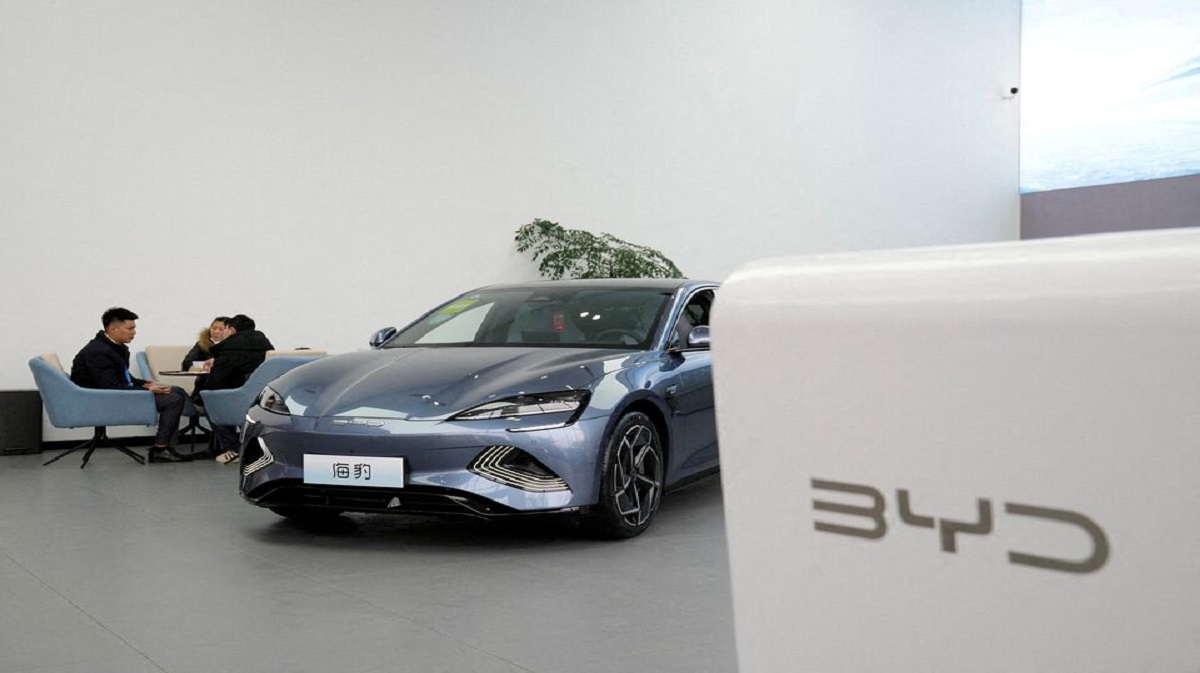
The high-level gathering, hosted by the Gauteng Growth and Development Agency, the Automotive Industry Development Centre, and the Tshwane Automotive Special Economic Zone (TASEZ), aims to accelerate the country’s transition to electric mobility and position Gauteng as Africa’s automotive innovation hub.
Dr Bheka Zulu, Chief Executive Officer of TASEZ, speaking to Channel Africa on Tuesday, said the summit marks a defining moment for SA’s automotive transformation. “This is not just a conference, it’s a strategic declaration that Gauteng is the heart of the SA automotive industry,” he said. “With over 60% of the country’s vehicle production taking place here, we are claiming our position as Africa’s leader and gateway for new energy vehicles.”
Since the release of the Electric Vehicle (EV) White Paper in 2023, SA has taken steps to align with global industry trends. Zulu said the sector is “no longer a passenger” in the global EV race, highlighting efforts to attract international investment, harmonise trade standards across the continent, and develop local manufacturing capacity.
Underpinning the shift is the SA Automotive Master Plan 2035, which seeks to boost local content in vehicle production from the current 40% to 60%, while doubling employment.
“This is not just about swapping an engine for a battery,” Zulu noted. “It’s about creating high-value jobs for a new generation of workers and ensuring inclusive growth.”
He emphasised the need for public-private collaboration, with government creating an enabling environment and original equipment manufacturers, such as Ford, Toyota, and Volkswagen, driving innovation and investment. “We are already seeing the rise of new, black-owned industrial players entering the NEV space,” Zulu added.
Infrastructure remains a key focus. The summit will explore partnerships to expand the national charging network and strengthen logistics systems to support local and regional NEV production.
“We must ensure our charging and energy systems match the pace of our ambitions,” Zulu said, noting that renewable energy sources such as solar, gas, and hydrogen will play a growing role in powering SA’s automotive zones.
As the European Union’s (EU) carbon border adjustment mechanism and zero-emission requirements draw nearer, Zulu said SA is aligning its targets with global sustainability standards. “We are working to ensure that what we produce meets EU regulations on emissions. It will take effort and collaboration, but we are committed to a cleaner, more competitive future.”
Looking ahead, he envisions success by 2035 as the SA automotive sector that is globally competitive, inclusive, and export-driven.
“We want NEVs to make up a large share of local production and exports, with SA becoming a net exporter of new energy vehicles and components,” he said. “Most importantly, we want to ensure that no worker is left behind in this transition, that the shift to green mobility creates new opportunities for all.”
The NEV Summit brings together policymakers, manufacturers, and investors from across Africa and beyond. It is expected to produce a roadmap for developing a sustainable NEV value chain, from battery manufacturing to assembly and exports, while driving skills development and industrial transformation across the continent.
The summit runs from October 22 to 23, under the theme “Driving Africa’s Green Automotive Future.”
–ChannelAfrica–


