

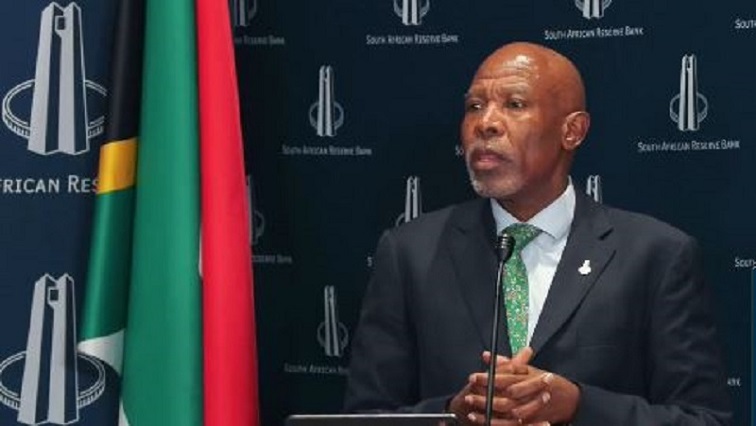
South Africa’s (SA) Reserve Bank Governor, Lesetja Kganyago, says the war in the Middle East has had a significant impact on oil prices, warning that higher oil prices will translate into increased fuel and food costs for South African consumers.
Speaking at the International Monetary Fund (IMF) and World Bank Spring Meetings in Washington, District of Columbia, Kganyago says the oil price shock is being compounded by rising fertiliser costs, which are expected to filter through to the economy later this year.
He notes that fertiliser production is energy-intensive and that SA remains heavily dependent on imports. His comments come after reports that the Strait of Hormuz has reopened to all commercial traffic, provided the ceasefire holds.
“Firstly, the impact of the war transmits through the oil price, and for us, a higher oil price means higher fuel prices domestically. Fuel is a very important input in the agricultural sector, particularly with respect to diesel, but fuel is also important for the broader distribution in the economy. So, that is the thing. When that comes, it comes as a shock. And the way in which central banks would respond to a shock like that is that we say, let’s look through the shock and see whether there is any evidence of other prices rising. If there is evidence of other prices rising, then, that is what monetary policy responds to. But this time around, the shock is complicated by the other part that you had mentioned, which is the price of fertilizer that you have got rising prices of fertilizer.
“Fertilizer is very important in field crops. And so, we are not dealing just with the oil price shock; you also deal with the shock from the fertilizer prices, and that would fit directly into food price inflation. The fortunate thing for South Africa at the moment is that we are out of our planting season. So if this thing is to be felt, it will be felt later in the year when we are doing the planting,” says Kganyago.
–SABC–





