


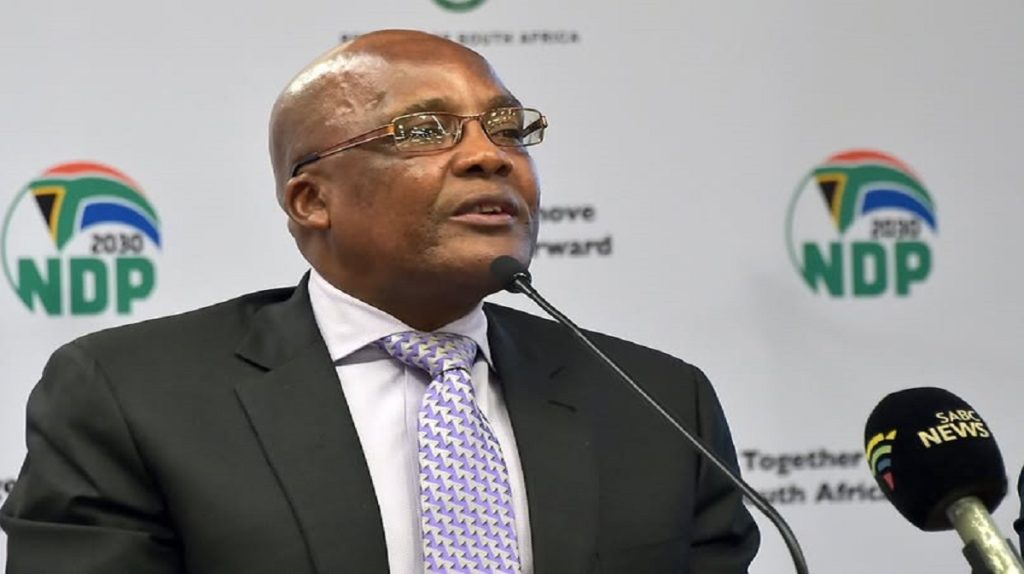
He stressed that the Act does not compel members of medical schemes to abandon their private cover, even as government works to redirect tax credit savings toward funding the NHI.
Motsoaledi’s remarks follow ongoing discussions between the Department of Health and the National Treasury on how best to utilise revenue from the scrapped rebates. While high-income earners have been at the centre of the public debate, health sector stakeholders argue that the biggest impact will be felt by lower-income households.
Health Funders Association Chief Executive Officer (CEO) Thoneshan Naidoo warned that the policy shift will disproportionately affect the majority of medical scheme members who fall within middle to low income brackets.
He explained that around 86% of members earn moderate to low incomes, with roughly 44% earning less than $945.12 a month. Naidoo said removing tax credits for these groups effectively strips away the equivalent of a full month’s salary over a year, placing immense pressure on already stretched budgets.
Naidoo cautioned that as many as 800 000 members may be forced to abandon their private medical schemes altogether. He said this would likely push them into an already-strained public health system that is battling capacity shortages.
–SABC/ChannelAfrica–


