

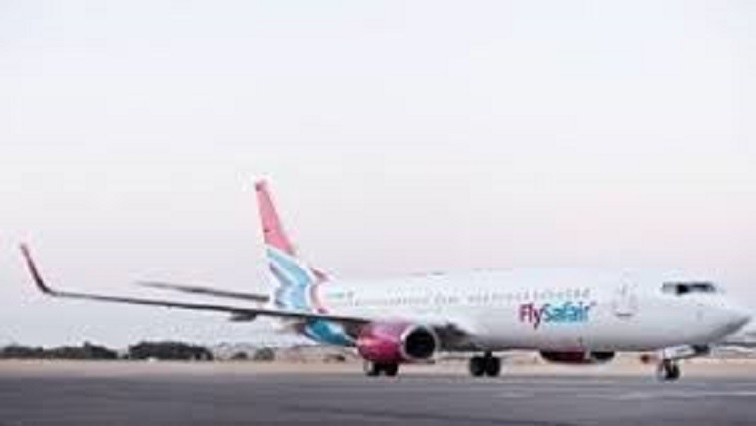
South African (SA) High Court has granted FlySaFair, the country’s low-cost airline, an urgent interdict that effectively removes the January 2026 deadline for the company to resolve issues with its foreign ownership structure.
The deadline had been imposed by the International Air Services Licensing Council (ASLC), which in late 2024 threatened the airline with sanctions, including suspension or cancellation of its licence.
FlySaFair was originally given 12 months to rectify its ownership structure, but the court’s ruling now provides an indefinite extension, giving the airline more time to address legal and regulatory questions.
The ownership issue dates back to 2014, when FlySaFair was founded by the holding company of Safair, itself controlled by an Irish aircraft leasing company. At the time, the ASLC required that 75% of a SA airline be owned by South Africans, leading to adjustments in the airline’s ownership structure.
However, by 2019, it emerged that the Irish leasing company had effectively regained majority control, raising complaints from competitors such as Airlink and Lyft. The matter has been tied up in courts ever since.
“The issue is complex, involving legal constructs such as beneficial ownership of trusts and interpretations of what constitutes a SA resident or natural person,” explained aviation analyst Guy Leitch. “The court has effectively recognised that a clear ruling cannot be reached by the original deadline.”
Competitors argue that FlySaFair’s foreign ownership provides access to cheaper capital, giving it an unfair advantage. Capital availability is considered one of the most critical factors in the aviation industry, allowing airlines like Airlink to lease new aircraft, while SA Airways struggles with funding constraints.
FlySaFair has sought clarification from the ASLC on the definitions of SA residency, offshore ownership, and beneficial trust ownership. The airline has stated it is willing to comply once clear requirements are communicated.
Leitch noted that the ruling could be precedent-setting, as no other airline in SA has faced similar legal scrutiny over foreign shareholding. The case is expected to provide greater clarity on ownership rules and compliance requirements for the country’s aviation sector.
–ChannelAfrica–


