


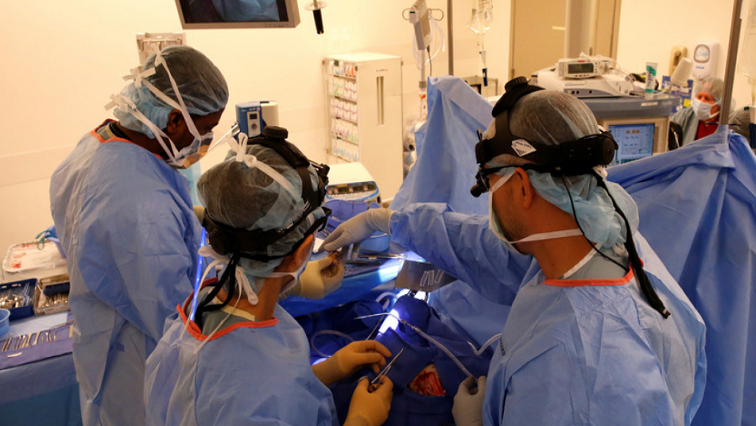
In a major breakthrough for African medicine, the Wits Donald Gordon Medical Centre (WDGMC) has introduced the continent’s first liver perfusion machine, a game-changing technology set to save lives by keeping donor organs functioning outside the human body.
The breakthrough comes at a critical time for South Africa (SA), which battles a severe organ shortage with donation rates among the lowest globally, just one to two donors per million people. Previously, harvested livers were packed statically on ice, causing a buildup of harmful metabolites and forcing doctors to discard organs with questionable function.
The new technology preserves and resuscitates donor livers by continuously circulating cold, oxygenated fluids and nutrients through them. This essentially allows medical teams to revive previously unusable organs, clear out negative toxins, and eventually “test drive” the liver before surgery.
Professor Jerome Loveland, Head of Solid Organ Transplantation at WDGMC, stated that the machine is a monumental shift for transplantation medicine on the continent.
“It is absolutely a game changer,” Loveland said. “Firstly, it will likely translate into utilizing 10 to 15% more livers than we’re currently able to do, which has an obvious, direct implication on recipients receiving them. Secondly, the liver will get an opportunity to be better resuscitated and transplanted in an improved condition, which directly translates into improved function, prevents complications, and translates into better outcomes and shorter hospital stays.”
The project is the result of a three-year collaborative effort between WDGMC, Surgeons for Little Lives, and donors from Weli. Crucially, the technology will be accessible to all patients on the transplant list, regardless of whether they are funded privately or through the state sector.
Beyond improving survival rates, the machine is expected to create a powerful knock-on effect for pediatric care. By using the technology to salvage and transplant borderline adult organs that would have previously been thrown away, pristine donor organs can be freed up, split in half, and used to save multiple children.
–ChannelAfrica–


