

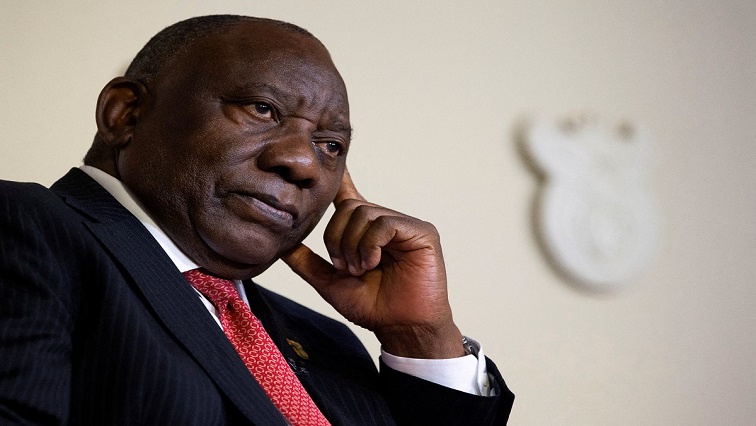
Addressing the Kenya–SA Business Forum, SA President Cyril Ramaphosa said the partnership between the two countries remains important for economic growth, highlighting steady progress since the last forum held in Nairobi in 2022.
Ramaphosa said trade between SA and Kenya has grown at an average of 3.5% a year, with Kenya remaining one of SA’s key trading partners outside the Southern African Development Community.
Ramaphosa pointed to growing investment flows between the two economies, noting that Kenyan companies have invested in 11 projects in SA valued at about $283 million, while SA firms have undertaken 96 projects in Kenya worth more than $2 billion. Ramaphosa said these investments reflect strong private sector confidence and underscore the potential for further expansion.
Beyond private sector activity, development finance institutions have also played a role in supporting infrastructure. Ramaphosa cited the Development Bank of Southern Africa’s involvement in funding a 350-kilometre pipeline linking Mombasa and Nairobi as an example of cross-border cooperation in strategic sectors.
Ramaphosa said both countries are now looking to unlock untapped economic potential through structural reform, industrialisation and diversification. The focus, he said, should shift from simply trading goods to building integrated value chains and productive capacity across both economies.
Key sectors identified during the forum included manufacturing, agriculture, finance and technology. Ramaphosa welcomed discussions on expanding industrial activity in areas such as automotive production, pharmaceuticals, mining and construction, as well as integrating businesses into regional supply chains.
Food security also emerged as a priority, with governments expected to work alongside the private sector on climate-smart agricultural production and livestock management. Ramaphosa said collaboration in these areas would help build resilient food systems and support long-term development.
Ramaphosa emphasised that governments must create an enabling environment for growth by removing barriers to trade and investment. This includes strengthening policy alignment, improving regulatory certainty and investing in both physical and digital infrastructure.
Efforts are already underway to support the implementation of the African Continental Free Trade Area, including agreements on standards, quality and accreditation aimed at improving predictability for businesses. Ramaphosa said these measures would help companies plan, invest and compete more effectively.
Infrastructure development remains a central pillar of this effort. Ramaphosa said funding is being explored for transport projects in Kenya, including support for road infrastructure, while broader efforts are being made to improve ports, trade corridors and customs systems in line with digital trade requirements.
On the digital front, both countries are updating cooperation agreements to cover innovation, technology transfer and areas such as artificial intelligence, reflecting the growing role of technology in trade and economic transformation.
Ramaphosa also stressed the importance of resolving commercial disputes efficiently to protect business relationships and investor confidence. The proposed establishment of a SA–Kenya Business Council is expected to provide a platform for private sector engagement and coordinated advocacy.
Ramaphosa called for a more integrated approach to development, urging both countries to move beyond national branding and towards joint production and shared value chains.
“We have moved beyond what we can sell to each other and towards what we can build together,” he said, adding that deeper collaboration would not only benefit the two economies but also contribute to broader continental prosperity.
–ChannelAfrica–





