


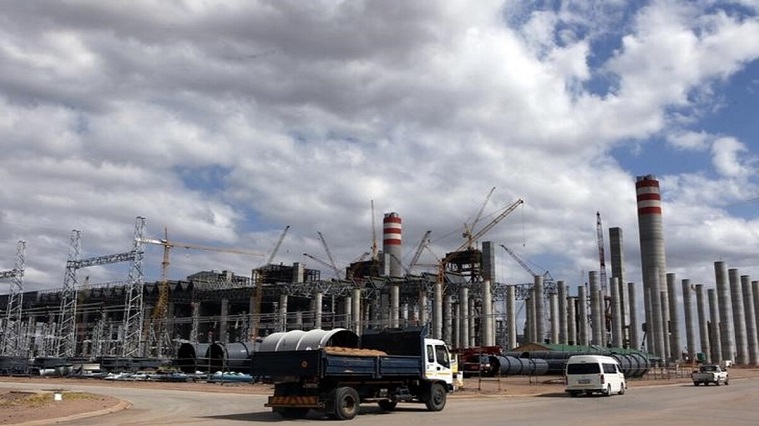
The utility said that particulate emissions declined from 0.96kg/MWh sent out at the end of March 2026 to 0.32kg/MWh for the financial year to September 17.
The latest performance surpassed Eskom’s annual particulate matter target of 0.35kg/MWh sent out, reflecting emissions-reduction projects and operational interventions across the coal fleet.
The improvement coincided with stronger generation performance. Eskom’s Energy Availability Factor reached 67.96% between April 1 and September 17, the highest financial year-to-date level in six years.
Weekly availability stood at 72.74% between September 11 and September 17, while more than 86% of the coal fleet operated at availability levels ranging from 60.6% to 98.6%.
Compared with three years ago, the Energy Availability Factor improved by 12.8%, returning about 6 202MW of generating capacity to the grid.
Unplanned outages fell to 19.23%, representing an improvement of 6.92% from the corresponding period last year. Average breakdowns declined by 7 126MW over three years, from 16 217MW to 9 091MW.
Improved coal-fleet reliability also reduced dependence on diesel-fired Open-Cycle Gas Turbines.
Diesel expenditure fell by 80.95% year-on-year as the Open-Cycle Gas Turbine load factor declined from 7.25% to 1.06%. Diesel-generated electricity fell by 85.33% to 146.81GWh.
Lower use of emergency generation supported Eskom’s efforts to reduce operating costs while strengthening the stability of SA’s electricity system.
SA has recorded 490 consecutive days without load shedding since May 16, 2025.
Planned maintenance averaged 5 979MW during the financial year to date, representing 12.62% of total generating capacity. Eskom also maintained 8 716MW in cold reserve because of excess capacity.
–ChannelAfrica–


