


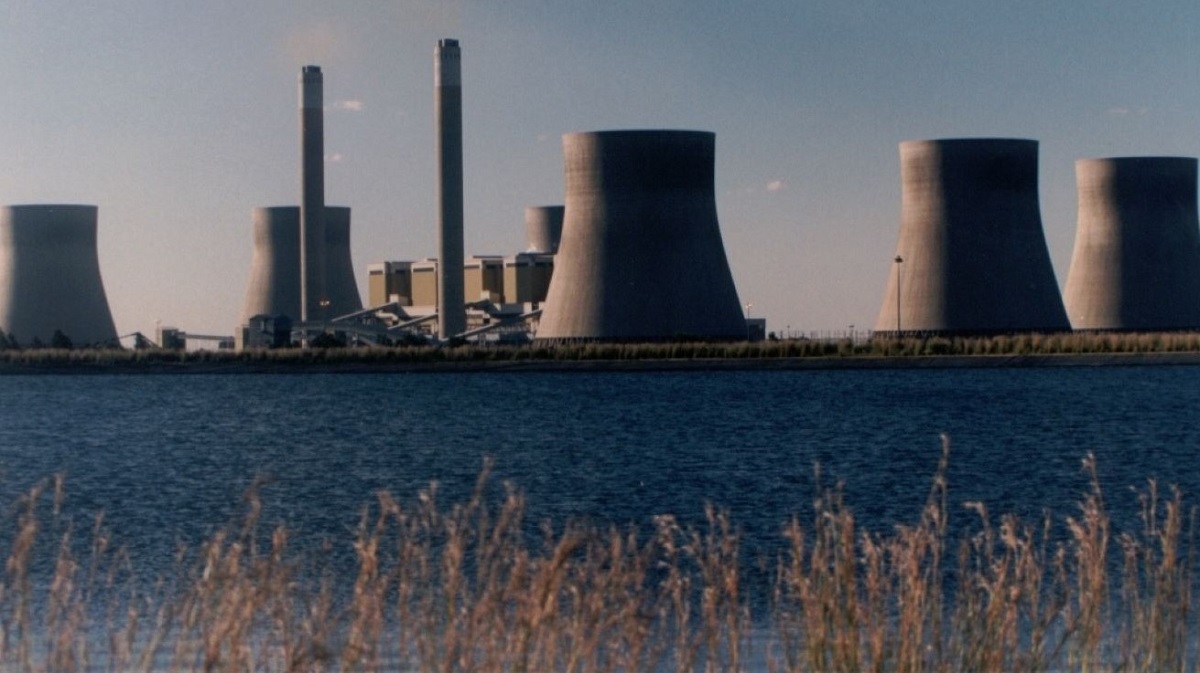
The utility attributes this achievement to the success of its Generation Recovery Plan, which continues to drive improved plant performance and operational discipline.
Between August and September, Eskom recorded an Energy Availability Factor (EAF) of 70% or higher on 22 occasions, a milestone the power utility says reflects fewer unplanned losses and growing reliability in its generation fleet. Overall, EAF for September reached 70.27%, one of the highest levels recorded in recent years.
FromOctober 1 to 16, EAF stood at 62.76%, up from 60.56% during the same period last year. The slight week-on-week decline was due to higher levels of planned maintenance, part of Eskom’s strategy to strengthen plant reliability over the long term.
Unplanned outages have also fallen significantly. During the week of October 10–16, Eskom recorded 12 294MW in breakdowns, compared to 13 773MW during the same period last year, a reduction of nearly 1 500MW. The Unplanned Capacity Loss Factor (UCLF) dropped to 23.66%, improving from 26.6% a year ago.
At the same time, reliance on diesel-powered Open-Cycle Gas Turbines has continued to decrease. From April 1 to October 16, diesel spending totalled $350 million, lower than last year’s figures, as the load factor dropped to 6.27%. In the past week alone, Eskom spent $4.81 million on diesel, down sharply from $15.14 million a year ago.
The utility says it plans to return 3 890MW of generation capacity to service by October 20 to support evening demand peaks. Eskom’s Summer Outlook, released in early September, forecasts no loadshedding through March 2026, citing structural improvements in plant performance.
Despite the progress, Eskom warns that electricity theft and illegal connections continue to threaten infrastructure. The utility aims to eliminate load reduction within 12 to 18 months by addressing 640 000 illegal connections, upgrading transformers, installing smart meters, and expanding access to free basic electricity.
–ChannelAfrica–


