

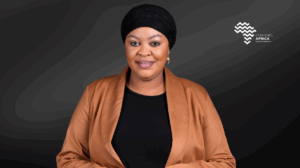
Committee Chairperson Dorris Mpapane said the proliferation of these parallel structures raises concerns about coherence, cost effectiveness and consolidation of work within the Presidency. She said the issue will form a key part of the committee’s oversight agenda as it develops its strategic plan.
“The increasing number of councils, task teams and advisory bodies linked to the Presidency is a vital issue that oversight needs to address,” Mpapane said. “It raises concerns about application, coherence, cost and measurable impact, particularly where there is limited consolidated oversight.”
Mpapane said the committee has adopted a broad framework to guide its approach and will seek a comprehensive briefing on the operations of the Presidency before finalising its programme of work. She added that the aim is to ensure that the Presidency functions as a coordinated centre of government, rather than through fragmented advisory structures.
The committee’s comments come amid renewed scrutiny of governance arrangements within the executive, with opposition parties questioning the necessity and accountability of multiple advisory bodies reporting directly to the President.
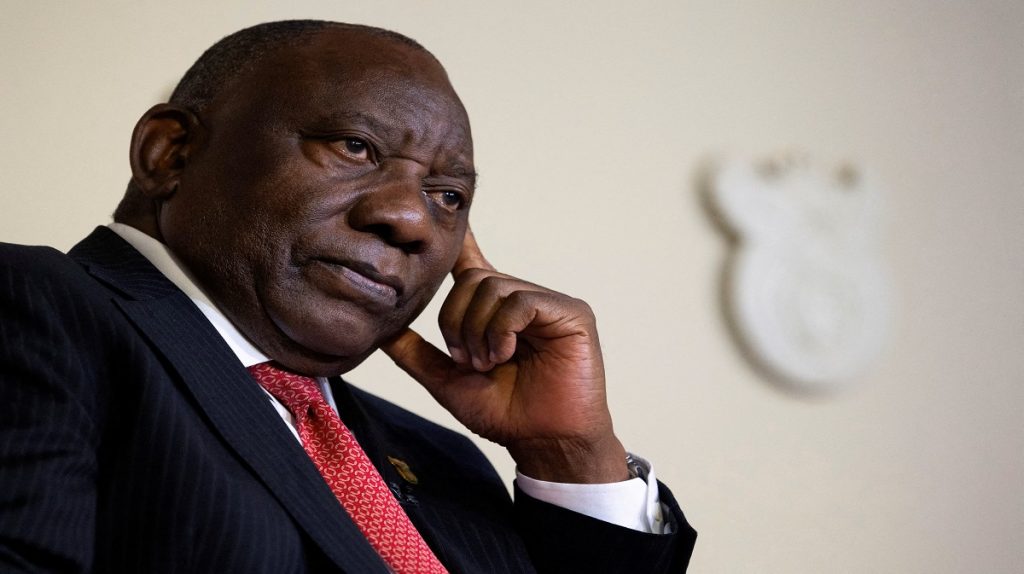
Mpapane also addressed the committee’s position on the Phala Phala matter, saying it will await the Constitutional Court’s judgment before taking any decisions.
The apex court is expected to deliver its ruling next month on issues arising from the 2020 theft of $580 000 at President Ramaphosa’s Phala Phala game farm in the Limpopo province. The case has centred on whether the handling of the incident breached the Constitution and whether Parliament exercised adequate oversight.
“All I can say is that the matter of Section 89 is with the relevant institutions and we must allow those institutions to do their work,” Mpapane said. “We will be able to respond once the judgment has been passed, but for now, I do not have a direct response.”
Section 89 of the Constitution outlines the process for the removal of a President for serious violations of the law or misconduct.
Mpapane stressed that the committee respects the separation of powers and will allow judicial processes to run their course before considering any parliamentary action.
–SABC/ChannelAfrica–


