
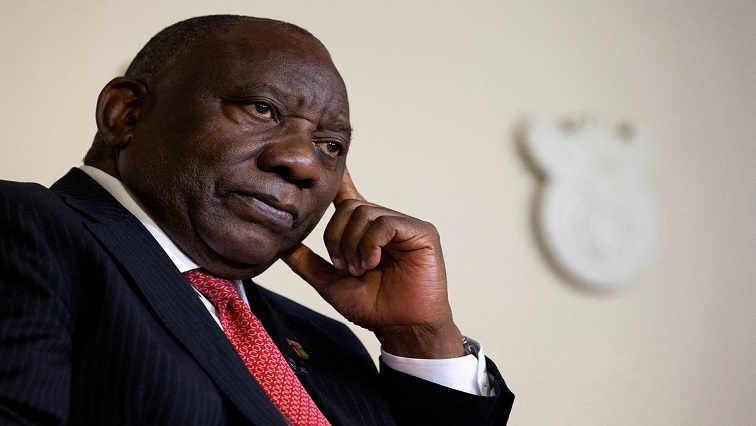
Addressing the Bana Pele Leadership Summit in Sandton, Ramaphosa said early learning provided the foundation for literacy, numeracy, critical thinking and adaptability. “A child cannot be prepared for the future unless that child is given a strong foundation in the present,” Ramaphosa said.
“Technology may change the world. But it cannot replace the love, care, encouragement and human interaction that children need to develop.”
The Bana Pele Shared Blueprint aims to achieve universal access to early childhood development by 2030 through connected support systems, improved data and professionalisation of the sector.
Ramaphosa said moving early childhood development from the Department of Social Development to the Department of Basic Education in 2022 recognised that childcare and early education served different purposes.
Early learning centres should provide structured literacy and numeracy programmes preparing children for formal schooling.
About 1 million children aged three to five remain outside early learning programmes, with even low fees unaffordable for many households.
SA has more than 39 000 registered programmes caring for over 1.6 million children.
The government has increased funding for the early childhood development conditional grant and raised the daily subsidy for each child. However, too few qualifying centres receive support.
The Bana Pele Mass Registration Drive seeks to bring more facilities into the formal system, while revised norms and standards are intended to reduce administrative barriers. “Where a centre does not meet the required standards, our first response should be to determine what assistance it needs to become compliant,” Ramaphosa said.
Early childhood development could also create employment, support women’s economic participation and connect families with nutrition, healthcare and social services.
Ramaphosa called on businesses to build and upgrade centres, train practitioners, subsidise access for poorer children and provide learning materials, connectivity and digital resources. “I would like to see early childhood development become a central part of corporate social investment and broader economic development strategies,” Ramaphosa said.
Technology could extend the reach of trained practitioners but should not replace teachers, books or fundamental reading and numeracy skills.
Curriculum support packs are available in all official SA languages, while more than 70 non-governmental organisations are helping centres with documentation and first-aid training. “Let us make sure that no child falls behind before reaching school,” Ramaphosa said.
–ChannelAfrica–





