
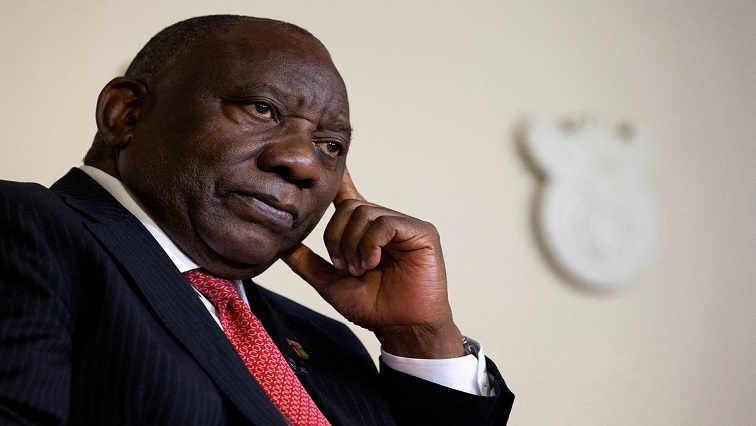
President Cyril Ramaphosa launched the Revised White Paper on Local Government on Thursday, nearly three decades after the original framework was adopted in 1998. “Too many of our municipalities are failing to meet the needs and expectations of the people they are meant to serve,” Ramaphosa said.
The White Paper proposes a differentiated system recognising that metros, secondary cities, small towns and rural municipalities do not have equal resources or administrative capacity.
Municipal powers and responsibilities could be reassigned where councils lack the scale, revenue or expertise to deliver services. Regional providers, partnerships and concession arrangements could assume some functions.
Water and electricity providers would require compulsory licences, with service authorities separated from service providers.
Ramaphosa said national and provincial government could not distance themselves from municipal failure. “When mandates overlap, when investment is poorly coordinated or when support arrives only after a crisis, the entire system has failed the community,” Ramaphosa said.
The White Paper also proposes ring-fencing revenue from electricity and water sales for maintenance of the infrastructure providing those services.
Municipalities owe Eskom, the country’s power producer, more than approximately $7.2 billion, while many councils also have overdue accounts with water boards. “We cannot build our way out of failure if we do not maintain what we have already built,” Ramaphosa said.
The reforms will seek to professionalise municipal administrations, reduce political interference in appointments and strengthen consequences for corruption, procurement manipulation and neglect of public duties.
A Local Government Transition Management Body will oversee implementation through a time-bound plan setting out responsibilities, priorities and measures of progress. The government has also announced a 90-day transition process following the November 4 local government elections.
Some reforms could require legislative or constitutional amendments.
Ramaphosa said political instability should not prevent councils from approving budgets, completing projects or maintaining essential services. “Our people must never be held hostage by political instability,” Ramaphosa said.
“We must implement the reforms that are needed to fix local government, even when they are difficult.”
–ChannelAfrica–





