


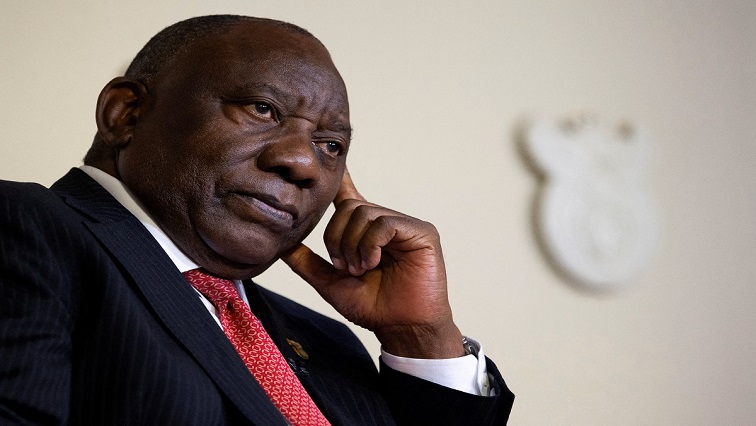
Addressing a meeting with Kings and Queens, on Saturday, Ramaphosa said migration is a concern raised by many South Africans, particularly in the context of high unemployment, poverty and pressure on public services.
However, he emphasised that migration itself is not the root cause of the country’s challenges. “Illegal immigration is not the cause of our social and economic difficulties,” Ramaphosa said.
He said addressing national challenges requires inclusive economic growth, job creation and development, rather than targeting migrants.
Ramaphosa warned that recent mobilisation against foreign nationals carries serious risks, including violence and instability. “Unrest, violence and intimidation tear at the social fabric of our communities,” he said.
He also noted concerns raised by other African countries about anti-foreigner sentiment, adding that misinformation has worsened tensions and strained relations across the continent.
Ramaphosa reiterated that enforcing immigration laws is the responsibility of the state, not individuals. “No person may stop another to demand documentation or proof of nationality,” he said.
He stressed there is no place for xenophobia, racism or any form of intolerance.
Ramaphosa outlined government’s comprehensive approach to managing migration, which includes:
- Cracking down on violations of immigration and labour laws
Strengthening border security - Improving the immigration system and tackling corruption
- Closing gaps in laws and policies
- Working with regional bodies such as the Southern African Development Community and the African Union
Ramaphosa said traditional leaders have a crucial role to play in maintaining stability and promoting dialogue.
He urged Kings and Queens to use their influence to calm tensions, prevent violence and reinforce values of unity and respect. “Through the spirit of Ubuntu, you can remind our people that we are defined by our humanity towards one another,” he said.
Ramaphosa said cooperation between government and traditional leadership will be essential in addressing migration challenges and the broader socio-economic conditions driving tensions.
He concluded that migration is a long-term issue that requires sustained engagement and collective effort.
–ChannelAfrica–


