
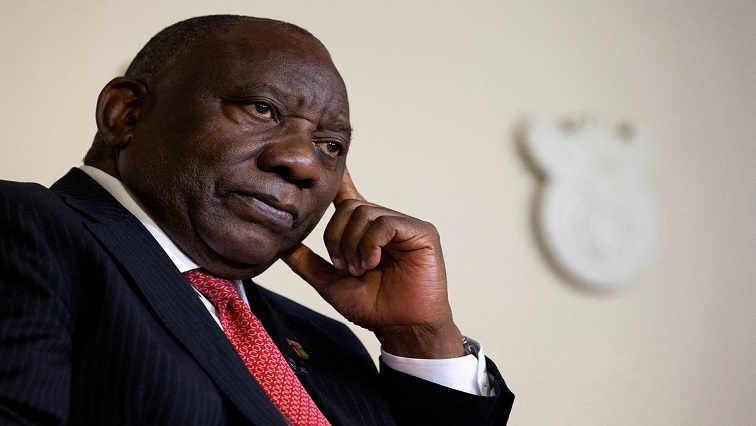
Ramaphosa addressed the International Conference on Access to Justice at Sun City in SA’s North West province under the theme “Strengthening People-Centred Justice Systems: Deepening Democracy”.
“Justice cannot be measured only by the strength of our constitutions, the independence of our courts or the sophistication of our legal systems,” Ramaphosa said.
“It must ultimately be measured by whether the ordinary person can secure protection, obtain redress and live with dignity.”
The Conference comes ahead of the 30th anniversary of former President Nelson Mandela signing SA’s democratic Constitution into law.
Ramaphosa said the Constitution had replaced a system that used legislation to enforce racial oppression, dispossession and exclusion with one founded on dignity, equality, freedom and the rule of law.
However, constitutional rights did not automatically ensure that people could exercise those rights.
Poverty, legal costs, distance from courts, language barriers, disability and complicated procedures continued to exclude people from justice. “Justice that is inaccessible is justice that is denied,” Ramaphosa said.
“When the poor believe that the law protects the wealthy and powerful but offers them little protection, the legitimacy of our institutions is diminished.”
Ramaphosa said government must strengthen legal aid, community advice offices and public-interest legal services while making legal information available in accessible languages and formats.
Technology and alternative dispute-resolution mechanisms could reduce costs and complexity, but digital reforms should not deepen exclusion. “The test of every reform must be whether it improves the experience of the person seeking justice,” Ramaphosa said.
Ramaphosa also called for consistent application of international law, saying civilian protection and accountability could not depend on countries’ political influence, economic strength or strategic importance. “There cannot be one standard of justice for the powerful and another for the weak,” Ramaphosa said.
The Conference should prioritise removing barriers facing poor and vulnerable people, strengthening independent and accountable institutions and developing practical measures of justice outcomes.
Ramaphosa said countries should assess how long people waited for justice, the financial cost, the fairness of outcomes and whether judgments were enforced. “Justice must never be the privilege of the few,” Ramaphosa said.
“It must be the right and the lived experience of all.”
–ChannelAfrica–





